Category: <span>Virtual Reality</span>

Source:https://cdn.prod.website-files.com

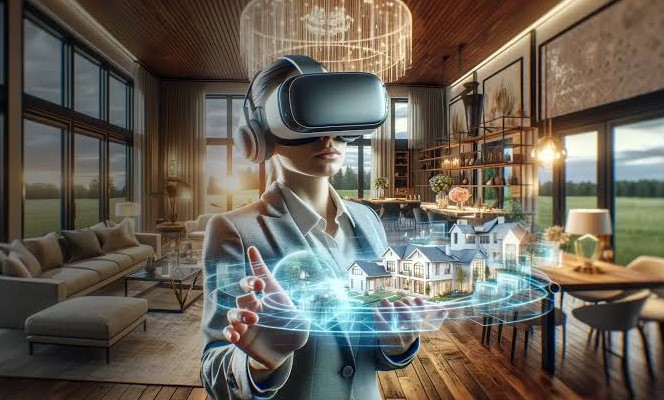
As remote and hybrid work models become a permanent part of modern organizations, vr collaboration tools are emerging as a groundbreaking way to bring distributed teams closer together. Traditional video calls and chat platforms, while effective, often fail to replicate the sense of presence and spontaneous interaction found in physical offices. Virtual reality (VR) collaboration tools aim to bridge this gap by creating immersive digital environments where remote employees can meet, interact, and work together as if they were in the same room. This article introduces the concept of VR collaboration, explains how it is reshaping teamwork, and explores why it is increasingly relevant for the future of work.

Unlike conventional communication platforms, VR collaboration tools focus on spatial interaction and embodiment. Team members are represented by avatars that move, gesture, and occupy shared virtual spaces. This sense of co-presence can significantly enhance engagement, creativity, and social connection—factors that are often diminished in remote work settings. As VR hardware becomes more accessible and software more refined, organizations are beginning to view VR not as a novelty, but as a strategic collaboration solution.

How VR Collaboration Tools Redefine Remote Work

VR collaboration tools redefine remote work by shifting communication from flat screens to immersive environments. Instead of staring at grids of faces during video calls, users enter virtual meeting rooms, project spaces, or creative studios where interaction feels more natural and dynamic. This change has a profound impact on how teams communicate, collaborate, and solve problems.

One of the key advantages is improved presence. In VR, participants can perceive spatial audio, body language, and proximity, which adds context and nuance to conversations. These subtle cues help reduce misunderstandings and make discussions feel more engaging. For remote teams that struggle with meeting fatigue, VR environments offer a refreshing alternative that encourages active participation.

Another important benefit is enhanced collaboration on complex tasks. VR tools allow teams to visualize data, prototypes, and workflows in three dimensions. Architects can review building designs at scale, engineers can examine virtual models, and educators can conduct interactive training sessions. This level of immersion makes abstract concepts easier to understand and supports more effective decision-making.

Key Features That Enable Effective VR Collaboration

Several core features distinguish VR collaboration tools from traditional remote work platforms. Shared virtual spaces are the foundation, providing environments such as meeting rooms, whiteboards, and breakout areas. These spaces can be customized to reflect company branding or adapted to specific tasks, from brainstorming sessions to formal presentations.

Real-time interaction is another critical feature. Users can speak naturally, gesture with their hands, and manipulate virtual objects together. Many tools support collaborative whiteboarding, 3D model editing, and document sharing, enabling teams to work together in ways that feel intuitive and engaging.

Integration with existing workflows is also essential. Leading VR collaboration tools are designed to work alongside familiar productivity software, allowing users to import files, sync calendars, and connect with non-VR participants when needed. This flexibility ensures that VR enhances, rather than replaces, existing collaboration ecosystems.

Benefits and Challenges for Organizations

The adoption of VR collaboration tools offers several strategic benefits for organizations managing remote teams. One of the most significant advantages is stronger team cohesion. By creating shared experiences that mimic in-person interactions, VR helps build trust and social bonds among team members who may never meet physically. This is particularly valuable for global teams spread across different time zones and cultures.

Productivity can also improve in certain contexts. Immersive environments reduce distractions and encourage focus during collaborative sessions. Teams working on creative or spatial tasks often find that VR accelerates ideation and problem-solving compared to traditional tools.

Training and onboarding are additional areas where VR collaboration excels. New employees can explore virtual offices, participate in interactive training scenarios, and connect with colleagues in a more engaging way than through static presentations or videos. This can lead to faster learning and better knowledge retention.

However, challenges remain. Hardware requirements, such as VR headsets, can be a barrier to entry, especially for smaller organizations. Comfort and accessibility issues must also be addressed, as not all users are equally comfortable spending extended periods in virtual environments. Additionally, organizations must consider data security and privacy when adopting immersive collaboration platforms.

Successful implementation requires a thoughtful approach. Not every meeting or task needs to take place in VR. Instead, organizations should identify use cases where immersion adds clear value, such as workshops, design reviews, or team-building activities. Gradual adoption and proper training help ensure that employees see VR as a helpful tool rather than an obligation.

The Future of VR Collaboration in Remote Teams

Looking ahead, VR collaboration tools are expected to evolve rapidly as technology advances. Improvements in headset comfort, resolution, and affordability will lower adoption barriers, while advances in artificial intelligence will enable smarter virtual environments. AI-driven avatars may replicate facial expressions more accurately, and intelligent assistants could help manage meetings or summarize discussions in real time.

The convergence of VR with augmented reality (AR) and mixed reality (MR) will further expand collaboration possibilities. Teams may soon blend physical and virtual elements, allowing remote participants to interact seamlessly with colleagues in physical offices. This hybrid approach aligns well with the evolving nature of work, where flexibility and inclusivity are key priorities.

As younger, digitally native generations enter the workforce, expectations around collaboration will continue to change. Immersive technologies are likely to feel natural rather than experimental, accelerating acceptance and innovation in this space.

As remote work continues to redefine organizational structures, vr collaboration tools represent a powerful step toward more immersive, engaging, and effective teamwork. By recreating the sense of presence and interaction found in physical offices, these tools address many of the limitations of traditional remote collaboration platforms. While challenges related to hardware, accessibility, and adoption remain, ongoing technological progress is steadily reducing these barriers. For organizations seeking to strengthen connection, creativity, and collaboration among remote teams, VR collaboration tools are poised to play an increasingly important role in the future of work.

Virtual Reality

Source:https://meta-vr.co.za

Virtual reality (VR) has transformed the way we interact with digital content, and its integration into entertainment has taken the experience to new heights. One of the most exciting innovations is the rise of VR theme park rides, which combine immersive virtual worlds with physical motion to create a completely new form of amusement. These rides are quickly becoming a major attraction in theme parks around the world, offering experiences that are impossible to replicate with traditional roller coasters or 3D attractions. As technology continues to advance, VR theme park rides promise to redefine the future of entertainment by providing more engaging, dynamic, and customizable experiences than ever before. In this article, we will explore how VR is revolutionizing theme park attractions, the benefits it offers, and what the future holds for this exciting fusion of reality and virtuality.

1. How VR Theme Park Rides Work

At the core of VR theme park rides is the combination of virtual reality technology and physical motion. The process begins with guests wearing VR headsets that transport them into a completely virtual environment. These headsets, often paired with motion-sensing equipment, allow users to see and experience 360-degree, high-definition worlds in real-time. While these virtual environments might be a thrilling roller coaster, a space adventure, or a prehistoric jungle, they are synchronized with the motion of the ride vehicle, ensuring that the physical sensations align with the visuals in the VR headset.

a) The Role of Motion Simulators

The physical motion element is a critical part of the experience. Most VR theme park rides incorporate motion simulators, which are equipped with hydraulics, pneumatics, or electric motors to move the ride vehicle. These motion simulators mimic the actions and forces experienced in the virtual world, such as tilting, turning, and dropping. For example, on a VR roller coaster, the motion simulator moves in sync with the virtual landscape—when the virtual roller coaster climbs a hill, the simulator does the same; when it plunges down, the seat will tilt forward, creating a truly immersive experience.

b) Interactive Elements

Some advanced VR rides also include interactive elements, allowing riders to engage with the virtual world in real-time. These can include shooting games, puzzle-solving, or mission-based activities where riders must interact with the environment. In some cases, the actions of riders—such as moving their arms, choosing paths, or completing objectives—can directly affect the storyline and progression of the ride, providing a level of control and personalization that traditional theme park attractions cannot offer.

2. The Benefits of VR Theme Park Rides

The integration of VR into theme park rides has brought a host of benefits, both for the theme parks themselves and for the guests enjoying the attractions. Here are some of the key advantages:

a) Enhanced Immersion

The primary benefit of VR theme park rides is the heightened sense of immersion they provide. Traditional rides rely on physical elements—such as track design, special effects, and lighting—to create the experience. While these can be thrilling, VR technology takes immersion to a whole new level by creating a fully realized, 360-degree environment that completely surrounds the rider. This level of immersion allows for more fantastical and visually complex experiences, like soaring through space, diving underwater, or navigating through a post-apocalyptic city—all without ever leaving the ride.

b) Endless Creative Possibilities

With VR, theme parks are no longer limited by physical constraints. Designers can create environments that would be physically impossible to build, from infinite landscapes to mind-bending experiences that defy the laws of physics. For example, riders on a VR theme park ride can experience environments that change based on their actions, encounter unpredictable obstacles, or be part of a dynamic, interactive story. The flexibility of VR allows for a diverse range of experiences that can be regularly updated, ensuring that repeat visitors always have something new to look forward to.

c) Reduced Infrastructure Costs

Building large-scale, traditional attractions—such as roller coasters or intricate sets—can be costly, both in terms of construction and maintenance. By incorporating VR technology, theme parks can create highly immersive rides without the need for extensive physical infrastructure. In some cases, a single VR ride can offer multiple experiences, as the virtual world can be updated and changed without needing to physically alter the ride itself. This can save theme parks considerable money on construction and operational costs, while still providing guests with a variety of different experiences.

d) Accessibility for a Broader Audience

VR technology can also make theme park rides more accessible to people who may not be able to enjoy traditional rides due to physical limitations. For instance, individuals who are afraid of high speeds or steep drops may be able to enjoy a VR roller coaster ride that simulates the same experience without the physical stress or discomfort. By offering a wider range of experiences that cater to different levels of thrill-seeking, VR theme park rides can attract a more diverse group of visitors.

3. The Future of VR Theme Park Rides

While VR theme park rides are already an exciting addition to many theme parks, this is just the beginning. As VR technology continues to evolve, the potential for even more advanced and engaging experiences grows. Here are some trends and innovations that could shape the future of VR theme park rides:

a) More Advanced Headsets and Haptic Feedback

The headsets used in VR theme park rides are expected to become even more sophisticated in the coming years. Newer models could feature higher resolutions, improved field-of-view, and more comfortable designs, ensuring that riders are fully immersed in the virtual world. Haptic feedback technology, which provides physical sensations such as vibrations, wind, or temperature changes, will also become more integrated into these rides, further enhancing the realism and sensory engagement. For example, a ride through a fiery landscape could feature heat sensors that mimic the feeling of warmth, or a spaceship simulation could incorporate vibration and acceleration effects to replicate the sensation of flight.

b) Fully Interactive and Story-Driven Rides

As AI and VR technology advance, we can expect more interactive and narrative-driven experiences. Future VR theme park rides may include fully customizable storylines, where riders’ decisions shape the course of the ride. Imagine a futuristic ride where you are tasked with completing missions or solving puzzles, and the outcome depends entirely on your actions. These types of rides would offer greater replay value and more personalized experiences for visitors, ensuring that no two rides are ever the same.

c) Hybrid Experiences Combining VR with Augmented Reality (AR)

The fusion of virtual reality with augmented reality (AR) could also play a significant role in the future of theme park attractions. AR can overlay digital content onto the physical world, allowing for hybrid experiences where the real world interacts with virtual elements. For example, while riding through a virtual jungle on a VR ride, you could encounter real-world obstacles or physical props that interact with the virtual environment. These hybrid experiences could blur the lines between reality and virtuality, creating even more immersive and engaging attractions.

d) Location-Based VR Rides

Location-based VR experiences, where guests can move freely through physical spaces while being immersed in a virtual environment, could become a major trend. Unlike traditional seated rides, these experiences might allow visitors to walk, run, or interact with their surroundings while exploring a virtual world. This could be particularly exciting for theme parks looking to create large-scale VR adventures that span across entire themed areas, where guests are fully immersed in the story and can explore multiple layers of the experience.

VR theme park rides represent a groundbreaking shift in the entertainment industry, offering an entirely new way for visitors to engage with theme park attractions. By combining virtual reality with physical motion, these rides deliver unprecedented levels of immersion and creativity, providing experiences that were once limited to science fiction. As technology continues to improve, we can expect these rides to become even more interactive, accessible, and dynamic, opening up new possibilities for entertainment. With their ability to create customizable and exciting experiences, VR theme park rides are poised to play a key role in the future of amusement parks and entertainment, offering unforgettable adventures for visitors of all ages.

Virtual Reality

Source:https://euphoriaxr.com

The world of mental health treatment is undergoing a revolutionary shift, and one of the most exciting advancements is the introduction of VR therapy sessions. Virtual Reality (VR) technology, which once seemed confined to the realm of entertainment and gaming, is now being harnessed as a powerful tool for mental health professionals to treat a variety of psychological conditions. From anxiety and PTSD to depression and phobias, VR therapy has opened up new pathways for healing, offering patients immersive, engaging, and highly effective therapeutic experiences. This article explores how VR therapy sessions are transforming mental health care, the science behind them, and the potential benefits and challenges of incorporating VR into treatment plans.

What Are VR Therapy Sessions?

VR therapy sessions involve using virtual reality technology to create controlled, immersive environments in which patients can engage in various therapeutic activities under the guidance of a mental health professional. These virtual environments can simulate real-world scenarios or create entirely new worlds that help patients confront their fears, practice mindfulness, or learn coping mechanisms. The sessions typically use VR headsets, motion-tracking devices, and haptic feedback to create a fully immersive experience that can mimic situations or environments the patient is struggling with.

For example, someone with a fear of flying might undergo VR therapy sessions where they virtually experience sitting in an airplane and taking off, all within a safe and controlled environment. Similarly, individuals with PTSD might be exposed to scenarios related to their traumatic experiences in a way that allows them to process emotions and reduce their stress responses gradually.

The immersive nature of VR helps patients confront their challenges in a safe space, enabling them to experience situations that might be too difficult or anxiety-inducing in real life. Moreover, VR allows for greater flexibility in treatment, as scenarios can be tailored to the patient’s specific needs and fears. This highly customizable approach can help speed up recovery while providing a more engaging, less intimidating way to tackle mental health issues.

How VR Therapy Sessions Work

VR therapy sessions combine traditional therapeutic techniques with cutting-edge technology. While the technology itself is relatively new, the underlying therapeutic principles have been in use for decades. Let’s break down how these sessions typically work:

1. Exposure Therapy

One of the most common uses of VR therapy is in exposure therapy, a type of cognitive-behavioral therapy (CBT) that helps patients confront and reduce their anxiety in relation to specific situations, thoughts, or phobias. Traditionally, exposure therapy would involve gradually confronting a feared object or scenario in real life. However, VR allows patients to experience these situations in a virtual space, providing a less threatening environment to start with.

For example, someone with social anxiety could participate in a VR therapy session where they interact with virtual characters in a simulated social setting. The controlled nature of the virtual world allows the therapist to adjust the scenario based on the patient’s progress, offering a safer environment for tackling difficult emotions.

2. Cognitive Behavioral Techniques

Cognitive behavioral therapy (CBT) is a well-established method for treating various mental health conditions, including depression and anxiety. By combining CBT principles with VR, therapists can enhance traditional practices. For instance, patients can engage in tasks within a virtual world that focus on reframing negative thought patterns or practicing relaxation techniques.

During a VR therapy session, the patient might be prompted to interact with different objects in the virtual environment that represent different aspects of their mental health struggles, such as a metaphorical object representing stress or an emotionally challenging scenario. The therapist then guides the patient through techniques to manage their reactions and emotions, reinforcing new patterns of thinking in real time.

3. Mindfulness and Relaxation Techniques

VR therapy also helps patients practice mindfulness and relaxation techniques in a way that is more engaging and immersive than traditional methods. VR sessions can take patients to peaceful virtual environments, such as a serene beach, a forest, or a mountain top, where they can practice breathing exercises, meditation, or progressive muscle relaxation. The sensory immersion provided by VR helps patients focus on the present moment, blocking out distractions from the real world, and enhances the effectiveness of these therapeutic techniques.

This aspect of VR therapy has shown particular promise in treating conditions like chronic stress, insomnia, and anxiety, where calming the mind and body is a crucial part of treatment.

Benefits of VR Therapy for Mental Health

The integration of virtual reality into mental health therapy offers several key benefits, many of which make VR a unique and compelling option for both therapists and patients alike. Some of the primary advantages of VR therapy sessions include:

1. Increased Engagement

One of the challenges of traditional therapy is that patients can sometimes feel disengaged or disconnected from the process. However, the interactive nature of VR makes the experience much more engaging. With immersive environments, patients are more likely to stay focused, actively participate, and experience greater emotional involvement during therapy. This enhanced engagement can contribute to better outcomes in treatment.

2. Safe Exposure to Triggers

For patients dealing with PTSD, phobias, or severe anxiety, facing real-world triggers can be overwhelming and potentially harmful. VR therapy provides a safe and controlled environment where patients can confront these triggers gradually. This virtual exposure can help patients build resilience and confidence, making it easier for them to deal with real-life situations in the future.

3. Personalization and Flexibility

The ability to personalize VR environments allows therapists to tailor the treatment to meet the specific needs of each patient. Whether a patient needs to work through traumatic memories, practice social interactions, or learn coping strategies, VR therapy can be adapted to suit their individual challenges. This level of customization is often not possible with traditional therapy.

4. Accessibility and Convenience

In some cases, VR therapy sessions can be conducted remotely, allowing patients to participate in treatment from the comfort of their own homes. This accessibility opens up mental health care to individuals who may have difficulty attending in-person sessions due to geographical location, physical limitations, or busy schedules. Virtual therapy also eliminates some of the stigma associated with attending therapy, as patients can engage with the process in a private and familiar environment.

Challenges and Limitations of VR Therapy

While VR therapy offers exciting possibilities, it is not without its challenges. Some of the key limitations include:

1. Cost of Equipment

For both therapists and patients, the cost of VR headsets and supporting technology can be a barrier to widespread adoption. Although the price of VR equipment has come down over the years, it may still be prohibitive for some individuals or practices, especially in areas where mental health care is already limited.

2. Lack of Standardization

There is still a lack of clear regulatory standards for VR therapy, which could hinder its widespread integration into traditional mental health care practices. Further research and evidence-based studies are needed to establish best practices and demonstrate the long-term effectiveness of VR therapy.

3. Potential for Overstimulation

For some patients, particularly those with certain mental health conditions, VR environments may cause sensory overload or exacerbate anxiety. The virtual worlds can be intense and immersive, which may not always be conducive to therapeutic progress. This highlights the importance of having trained professionals guide VR therapy sessions to ensure that the experience remains beneficial rather than overwhelming.

In conclusion, VR therapy sessions represent a transformative shift in the way we approach mental health treatment. By combining immersive virtual environments with traditional therapeutic techniques, VR therapy has the potential to enhance engagement, provide safe exposure to anxiety-inducing situations, and offer a more personalized approach to treatment. While there are challenges to overcome, including cost and accessibility, the future of VR in mental health care is promising. As technology improves and more research is conducted, VR therapy could become a mainstream tool in helping individuals manage and overcome a wide range of mental health conditions.

Virtual Reality

Source:https://www.kompanions.com

Virtual Reality (VR) has rapidly transformed various industries, and one of the most exciting applications is in architecture. VR architecture visualization is revolutionizing the way architects, designers, and clients experience and interact with building designs. Unlike traditional 2D blueprints or 3D renderings on a screen, VR offers an immersive, interactive experience where users can step inside a building before it is even constructed. This advancement is making the design process more efficient, collaborative, and insightful, ultimately leading to better outcomes for both designers and clients. In this article, we will explore how VR is changing architectural design, the benefits it offers, and how it is shaping the future of architecture.

The Evolution of Architecture Visualization

Architectural visualization has always played a crucial role in the design process. For years, architects and designers have relied on 2D sketches, detailed drawings, and 3D renderings to communicate design concepts. While these tools provide valuable insights, they have their limitations. For instance, 3D renderings offer a detailed view of a building’s exterior and interior, but they still fall short when it comes to delivering a fully immersive experience.

With the rise of VR technology, architects now have a powerful tool that allows clients, stakeholders, and designers to experience their designs in a way that was previously unimaginable. Instead of looking at static images on a screen or printed drawings, users can wear a VR headset and walk through a building, explore its spaces, and interact with its elements—all before construction begins. This immersive 3D experience provides a new level of understanding, helping clients make more informed decisions and enabling architects to identify potential design flaws early in the process.

How VR is Integrated into the Design Process

  1. From Concept to Reality: VR architecture visualization enables architects to visualize their designs in real-world scale and detail. Using VR, designers can manipulate and adjust elements like lighting, textures, and materials in real-time, making it easier to explore various design possibilities before finalizing a concept. The ability to “walk through” the design and make instant adjustments improves the design process by reducing errors and enhancing creative exploration.
  2. Client Engagement: For clients, VR offers an unparalleled level of engagement. Instead of relying on static renderings or walkthroughs, clients can put on a VR headset and experience their future home or office building as if they are already inside. This provides them with a much clearer understanding of how the space will feel, from its proportions to its flow and ambiance. This interaction helps clients visualize the space in ways that traditional media simply cannot achieve.
  3. Collaborative Design: VR also enhances collaboration between architects, clients, contractors, and other stakeholders. In a VR environment, everyone can meet virtually inside the 3D model, discuss design ideas, and provide real-time feedback. This level of collaboration ensures that all parties are on the same page and that any potential issues are identified and addressed early in the design phase.

Key Benefits of VR Architecture Visualization

VR architecture visualization offers several advantages that make it an indispensable tool in modern architectural design. These benefits extend beyond just improving design accuracy and client satisfaction—they can streamline workflows, reduce costs, and create more effective communication channels throughout the entire project.

1. Enhanced Design Accuracy

Traditional architectural drawings, while highly detailed, can sometimes be hard to interpret. Even 3D renderings, though more visually accurate, often fail to convey the true sense of space. VR bridges this gap by allowing users to experience a space in its full scale, providing a realistic perspective that’s hard to achieve with flat images. Architects can quickly identify design flaws, such as awkward room layouts, insufficient lighting, or poor spatial flow, which might be difficult to detect in traditional representations.

Moreover, VR makes it easier to test design alternatives and experiment with different materials, colors, and textures in real-time. Architects can modify a design instantly, viewing the changes in the immersive environment, which ensures that the final design is optimized for functionality and aesthetics.

2. Improved Client Understanding and Engagement

One of the most significant advantages of VR architecture visualization is its ability to improve communication with clients. Traditional architectural design presentations rely on static visuals, like photos, drawings, and computer-generated renderings, which may not always capture the full experience of the design. VR, on the other hand, lets clients “experience” the space firsthand.

This immersive experience can make a substantial difference in the decision-making process. Clients can virtually walk through the building, experiencing everything from spatial relationships to the look and feel of materials, lighting, and finishes. They can provide feedback in real-time, which helps to ensure that the final design aligns with their expectations.

For example, clients can get a sense of the space’s proportions and flow, whether a room feels too cramped or too open, or how the lighting changes throughout the day. This interactive approach minimizes misunderstandings, reducing the chances of costly revisions later in the project.

3. Cost and Time Efficiency

By enabling more accurate visualization early in the design process, VR architecture visualization can lead to significant time and cost savings. Designers and clients can address issues before physical construction begins, preventing the need for costly changes during or after the build. This proactive approach to problem-solving reduces the likelihood of errors that could result in delays or budget overruns.

In addition, VR can be used to simulate different construction techniques and materials, giving architects and contractors a better idea of the most efficient and cost-effective ways to execute a design. This not only saves time but also ensures that resources are used wisely.

Future Trends in VR Architecture Visualization

As VR technology continues to evolve, the future of architecture visualization looks even more promising. Here are some of the key trends to watch for in the coming years:

1. Integration with Augmented Reality (AR)

In the near future, VR and AR will likely become even more integrated. While VR provides an immersive 3D environment, AR allows users to overlay digital information onto the real world. In architecture, AR could enable clients and architects to visualize changes to an existing building or view proposed designs in the context of the real-world site. This combination of VR and AR could create an even more powerful design and visualization tool.

2. Real-Time Collaboration in Virtual Spaces

As remote work becomes more prevalent, virtual collaboration will become increasingly important. In the future, VR architecture visualization could allow architects, clients, and contractors to collaborate in real-time within a shared virtual space, regardless of their physical location. This will enable teams to make faster decisions and provide immediate feedback, which will help streamline the design process and accelerate project timelines.

3. Artificial Intelligence (AI) Integration

AI-powered VR tools may begin to play a more significant role in architecture. For example, AI could be used to automate certain aspects of the design process, such as suggesting optimal layouts, generating floor plans, or proposing energy-efficient solutions based on environmental data. Integrating AI with VR could further enhance the design process by providing architects with powerful tools that predict how designs will perform in real life.

In conclusion, VR architecture visualization is a game-changer in the way architectural designs are conceived, explored, and communicated. The ability to interact with a fully immersive 3D model before construction begins gives architects, designers, and clients the power to create more accurate, functional, and aesthetically pleasing buildings. As VR technology advances, it will continue to shape the future of architecture, offering even more innovative ways to visualize, collaborate, and design in the years to come. For architects and clients alike, embracing VR in the design process isn’t just about staying ahead of the curve—it’s about creating better, more informed, and more successful building projects.

Virtual Reality

Source:https://img1.wsimg.com

In recent years, Virtual Reality (VR) technology has made leaps and bounds in various sectors, with one of its most captivating applications being in the world of travel. VR travel experiences have completely transformed how people explore the world, offering immersive, interactive adventures that go far beyond traditional travel methods. Whether it’s walking through the streets of ancient Rome, scuba diving in the Great Barrier Reef, or taking a tour of a far-off mountain range, VR allows travelers to experience destinations without leaving their homes. As this technology continues to evolve, the potential for VR to redefine the travel industry is immense, offering unprecedented opportunities for exploration, education, and entertainment.

The Rise of VR in the Travel Industry

Virtual reality has evolved from being a niche technology primarily used for gaming and entertainment into a powerful tool in industries like healthcare, real estate, and tourism. The idea of “virtual travel” is not entirely new, but with the advancements in VR hardware and software, it has become increasingly accessible, high-quality, and realistic.

As global travel becomes more complex and costly, VR travel experiences are providing a viable alternative for many individuals and organizations. They allow users to virtually visit exotic locations and cultural landmarks, providing a cost-effective solution for those unable to travel physically due to financial, physical, or time constraints.

For tourism companies, VR has also opened up innovative marketing opportunities. Destination marketing organizations are increasingly using VR to promote travel locations by giving potential visitors a preview of what they could experience, enhancing their desire to visit. From a traveler’s perspective, VR offers the convenience of exploring a new destination at their own pace, with the ability to revisit locations or change their itinerary at the touch of a button.

Benefits of VR Travel Experiences

1. Immersive Exploration

One of the primary advantages of VR travel experiences is their ability to provide highly immersive environments that make users feel as if they are actually there. Unlike traditional photos, videos, or even 360-degree tours, VR technology enables users to interact with and explore virtual environments in real-time. Using VR headsets, travelers can look around, move through, and engage with their surroundings as if they were physically present in the location. This immersive quality is particularly beneficial for showcasing hard-to-reach or off-limits destinations, such as the depths of the ocean or restricted archaeological sites.

For instance, imagine touring the ancient pyramids of Egypt or walking the cobblestone streets of Paris without needing to board a flight. With VR, these experiences are brought to life in stunning detail, offering an unparalleled sense of presence.

2. Education and Cultural Awareness

VR travel experiences also have the potential to serve as powerful educational tools. Instead of reading about historical landmarks or watching videos, users can virtually visit these places, gaining a deeper understanding of their significance. This is especially useful in educational contexts, where students or enthusiasts can “visit” different cultures, explore natural wonders, and engage in virtual field trips.

For example, students learning about World War II could virtually step into the trenches, visit historical battlefields, or tour a concentration camp, all from the safety of a classroom. Similarly, VR travel can expose users to cultures they might otherwise never experience, fostering empathy and understanding by allowing them to witness life in faraway lands.

3. Accessible and Cost-Effective Travel

Not everyone has the resources or time to travel to far-flung destinations. VR travel experiences level the playing field by making it possible for anyone, regardless of budget or mobility, to visit locations that were previously inaccessible. Whether it’s a senior citizen with limited mobility, a person on a tight budget, or someone with a busy schedule, VR provides an avenue to experience the world’s wonders without any of the logistical or financial burdens of travel.

This democratization of travel allows for a more inclusive form of exploration, where people from all walks of life can “visit” places they might have thought were out of reach. As the VR technology continues to improve, the cost of entry continues to fall, making it a more feasible option for a broader demographic.

Key VR Travel Experiences Shaping the Future of Exploration

1. Virtual Safaris and Wildlife Exploration

Africa’s savannas, the jungles of the Amazon, and the icy landscapes of Antarctica are all becoming accessible via VR. Virtual reality is revolutionizing the way people experience wildlife and nature, offering tours that are both educational and awe-inspiring. Imagine taking a virtual safari through Kenya’s Maasai Mara, where you can see lions, elephants, and giraffes up close without disturbing the natural habitat.

For nature lovers, VR can transport them to places that would otherwise require expensive flights and extensive travel arrangements. Whether it’s observing wildlife migrations, exploring the Amazon rainforest, or diving with sharks in the Caribbean, VR makes it possible to witness the planet’s natural wonders in ways that were once unimaginable.

2. Historical and Cultural Immersion

For history enthusiasts, VR provides an opportunity to step back in time and witness significant events and cultural experiences firsthand. Museums around the world are leveraging VR technology to offer immersive exhibits, such as virtual tours of ancient civilizations, famous art galleries, and iconic landmarks.

For example, the Museum of Natural History in New York offers a VR experience that lets visitors journey through the prehistoric era, interacting with dinosaurs and witnessing the world as it existed millions of years ago. Similarly, VR tours of ancient Roman ruins or Greek temples allow users to explore reconstructed versions of long-lost civilizations.

3. Space Exploration and Underwater Adventures

In addition to Earth-bound destinations, VR travel experiences are also expanding into the realms of space and underwater exploration. Space agencies like NASA have developed VR experiences that let users “travel” through the cosmos, experiencing the vastness of space and the beauty of celestial bodies like Mars, the Moon, and distant galaxies.

Underwater VR experiences offer a similar sense of adventure, with users able to dive deep into the ocean’s unexplored corners. VR can simulate scuba diving in the Great Barrier Reef, where users can witness marine life and coral reefs up close, or experience the wonders of the Titanic wreck site. This makes it possible for people who cannot physically go scuba diving to enjoy the wonders of the ocean without ever getting wet.

Challenges and Future of VR Travel

Despite its potential, VR travel experiences are not without their challenges. The technology is still evolving, and while the visuals are often breathtaking, achieving a truly convincing sense of presence requires high-quality hardware and software. The cost of VR equipment, although decreasing, can still be a barrier for some people. Additionally, VR lacks the physical sensations that come with real-world travel, such as smells, sounds, and tactile feedback, which can limit the authenticity of the experience.

However, as VR technology continues to improve, we can expect more realistic and accessible experiences in the future. Advances in haptic feedback devices, 3D audio, and even scent technology may soon bring us closer to fully immersing ourselves in virtual environments.

In conclusion, VR travel experiences are fundamentally changing how we think about exploration and adventure. By offering an immersive, cost-effective, and accessible way to experience the world’s most fascinating destinations, VR is opening up new possibilities for travelers of all backgrounds. As the technology continues to advance, it promises to further redefine the boundaries of exploration, allowing people to travel not just physically, but virtually, to the farthest reaches of the Earth and beyond. As these experiences become more commonplace, VR travel will likely become an integral part of how we explore, learn, and experience the world around us.

Virtual Reality

Source:https://cdn1.expresscomputer.in

The concept of the metaverse has evolved from a science fiction idea to a tangible reality, rapidly gaining momentum as one of the most significant technological revolutions of our time. Metaverse platforms are now positioning themselves as the next frontier in digital interaction, blending augmented reality (AR), virtual reality (VR), artificial intelligence (AI), and blockchain technologies to create immersive, interactive virtual environments. As industries and consumers alike begin to embrace the possibilities of this new virtual world, the potential of metaverse platforms to reshape everything from entertainment and social interactions to business and education is becoming clear. In this article, we will explore the role of metaverse platforms in driving the next digital revolution, examining their applications, key players, and how they are poised to redefine the future.

1. What are Metaverse Platforms?

Defining the Metaverse

The metaverse is a collective virtual shared space, created by the convergence of virtually enhanced physical reality and persistent, interactive virtual environments. It encompasses a range of digital worlds, where users can engage with each other and digital objects in real-time, often through avatars that represent them in the virtual space. These environments are not confined to a single platform but instead span across multiple interconnected platforms that allow users to seamlessly navigate between different virtual spaces.

Metaverse platforms are the technological infrastructures that facilitate these immersive digital experiences. They combine elements of VR, AR, AI, and blockchain to enable users to interact, socialize, work, and transact in a persistent and decentralized environment. Unlike traditional online platforms or social media networks, metaverse platforms aim to create a fully immersive experience, where users can not only see and hear their surroundings but also engage with them in a tactile and emotional way, often using haptic feedback, gesture recognition, and other sensory inputs.

The Building Blocks of the Metaverse

Several core technologies come together to power the metaverse:

  • Virtual Reality (VR): Provides fully immersive digital environments where users can interact with objects and other people in a 3D space.
  • Augmented Reality (AR): Blends digital content with the physical world, enhancing real-world experiences with virtual elements.
  • Blockchain: Ensures the decentralization and ownership of virtual assets. Blockchain also supports cryptocurrency transactions and provides a secure and transparent framework for digital economies within the metaverse.
  • Artificial Intelligence (AI): Powers intelligent avatars, NPCs (non-playable characters), and other dynamic elements within virtual worlds, enhancing the interactivity and realism of the metaverse.
  • Spatial Computing: Creates the digital infrastructure for seamlessly integrating physical and virtual spaces, allowing users to interact with both simultaneously.

Together, these technologies enable metaverse platforms to offer a vast array of experiences, from gaming and entertainment to business collaboration and virtual real estate.

2. Key Applications of Metaverse Platforms

1. Virtual Reality and Gaming

The gaming industry is one of the primary drivers of metaverse adoption, with metaverse platforms offering immersive digital spaces where gamers can interact with one another in real-time. VR and AR technologies have transformed gaming from traditional 2D experiences to fully immersive 3D worlds. Metaverse platforms such as Decentraland, The Sandbox, and Roblox allow players to explore vast virtual landscapes, participate in interactive events, and create their own content.

These platforms are not only providing entertainment but are also creating new business models. Users can buy virtual land, trade digital assets, and even monetize their creations, leading to the rise of virtual economies. The ability for players to earn real-world value through virtual activities is one of the key innovations of metaverse platforms.

2. Socializing and Networking

Metaverse platforms are also revolutionizing how people connect with one another. Traditional social media platforms like Facebook or Instagram are increasingly being replaced by virtual spaces where users can socialize and interact with others in more engaging ways. Platforms like AltspaceVR and Facebook Horizon (now known as Horizon Worlds) provide spaces for users to meet, chat, attend virtual events, or even participate in shared experiences like concerts or live theater productions.

These immersive social environments offer a more human-like interaction, where users can communicate using body language, facial expressions, and voice, mimicking real-life interactions. This creates a deeper sense of connection than what current social media platforms can offer.

3. Business and Collaboration

The metaverse is also transforming how businesses operate and collaborate. As remote work becomes more widespread, metaverse platforms are providing companies with virtual spaces to conduct meetings, workshops, and collaborative projects. Tools like Microsoft Mesh and Spatial are already enabling businesses to create virtual offices where employees can interact in a 3D space, regardless of their physical location.

These virtual environments are not limited to internal collaboration. Businesses can also host virtual showrooms, product launches, and conferences in the metaverse. The ability to create immersive, branded experiences that users can interact with creates new opportunities for marketing and customer engagement.

4. Education and Training

The educational sector is one of the areas poised for major transformation through metaverse platforms. Virtual classrooms and training programs are becoming more sophisticated, allowing students and professionals to immerse themselves in hands-on learning experiences. Engage VR and VirBELA are platforms that offer immersive learning environments, where students can take part in virtual labs, field trips, and simulations that would be difficult or impossible in the real world.

For example, medical students can practice surgeries in a simulated environment, engineering students can interact with 3D models of machinery, and history students can walk through ancient civilizations. The metaverse provides an opportunity to offer more practical, experiential learning that can enhance understanding and retention of knowledge.

3. The Future of Metaverse Platforms

1. Decentralization and Ownership

One of the key aspects of the future of metaverse platforms is the growing focus on decentralization and user ownership. Traditional platforms are often controlled by a central authority, which has the power to regulate, alter, or monetize user-generated content. However, the metaverse is embracing decentralized technologies, particularly blockchain, to allow users to own their digital assets and have greater control over their virtual experiences.

In this decentralized metaverse, users can own virtual land, digital art, and even their personal avatars as non-fungible tokens (NFTs). These digital assets can be bought, sold, and traded in a peer-to-peer marketplace without the need for intermediaries, creating a new form of digital economy.

2. Interoperability Across Platforms

Another major development in the metaverse is the focus on interoperability. Currently, most metaverse platforms are siloed, meaning that users cannot easily transfer assets or experiences between them. However, as the metaverse matures, there will be a greater push toward creating interconnected virtual worlds where users can move freely between platforms, taking their virtual assets, identities, and experiences with them.

Companies like Epic Games and Unity are already working on creating cross-platform experiences, while Web3 technologies are laying the groundwork for decentralized, open-source virtual environments that allow users to navigate multiple platforms seamlessly.

3. The Role of Artificial Intelligence

AI will play an increasingly important role in the development of metaverse platforms. From enhancing the realism of virtual avatars to enabling dynamic environments that adapt to user behavior, AI will be integral in creating personalized, interactive experiences. Machine learning algorithms will allow virtual spaces to evolve over time, with new content being automatically generated based on user preferences and behaviors.

AI will also improve accessibility within the metaverse by enabling voice recognition, gesture tracking, and real-time language translation, allowing users from diverse backgrounds to interact without barriers.

In conclusion, metaverse platforms are leading the next digital revolution by transforming how we interact with the digital world. From gaming and socializing to business and education, the applications of metaverse technology are vast and ever-expanding. By combining immersive VR, AR, AI, and blockchain technologies, metaverse platforms are not just creating digital spaces but are fundamentally reshaping our online experiences and how we engage with each other. As these platforms evolve, we can expect them to become integral to daily life, driving the future of work, play, and learning in ways that were previously unimaginable. With continued advancements, the metaverse will soon be a staple of the digital landscape, offering unparalleled opportunities for innovation, creativity, and human connection.

Virtual Reality

Source:https://euphoriaxr.com

The field of mental health therapy has seen remarkable advancements in recent years, with one of the most groundbreaking innovations being the integration of VR for mental health. Virtual Reality (VR) technology, traditionally associated with gaming and entertainment, is now making its mark as a powerful tool in mental health care. By creating immersive, interactive, and controlled virtual environments, VR offers a novel approach to treating various mental health conditions, such as anxiety, depression, PTSD, and phobias. In this article, we will explore how VR for mental health is transforming therapy, the benefits it provides, and its potential to revolutionize the future of psychological treatment.

1. Understanding VR for Mental Health

What is VR Therapy?

VR therapy, also known as immersive therapy or Virtual Reality Exposure Therapy (VRET), uses VR technology to create simulated environments that patients can interact with. These environments are designed to trigger specific responses in the individual, allowing therapists to address mental health issues in a controlled, yet immersive setting. By incorporating sensory experiences such as sight, sound, and sometimes even touch, VR therapy aims to help individuals confront and process emotions, memories, or situations that may be difficult to face in the real world.

For example, in the case of patients with anxiety disorders or phobias, VR can simulate the feared object or situation in a safe space, where patients can gradually confront their fear without real-world consequences. Similarly, VR is increasingly used in cognitive behavioral therapy (CBT), where patients can practice techniques to challenge negative thought patterns in a simulated environment.

How Does VR for Mental Health Work?

The essence of VR for mental health lies in its ability to create tailored experiences that engage patients in ways traditional therapy cannot. With the help of a VR headset, patients are transported into 3D virtual environments where they can interact with objects, situations, or people designed to mirror the issues they are facing. These virtual environments are often customizable and can be adjusted in real-time based on the patient’s progress or emotional response.

For example, a patient with PTSD may be gradually exposed to simulated scenarios that evoke memories related to their traumatic experience. The therapist can control the environment, adjusting the intensity of the scenario to ensure that it is manageable for the patient, which helps them process and desensitize their trauma at their own pace. VR therapy offers a level of control and precision that cannot be achieved with traditional methods.

2. Applications of VR for Mental Health

1. Treating Anxiety and Phobias

One of the most well-known applications of VR for mental health is in the treatment of anxiety disorders and phobias. For individuals who struggle with extreme anxiety about public speaking, social interactions, or specific fears such as heights or flying, VR therapy offers a safe and controlled space to confront these fears without real-world consequences.

In virtual settings, patients can practice facing social situations, like delivering a speech in front of a virtual audience, or slowly increase their exposure to a feared object, such as a spider. Over time, as patients repeatedly face their fears in the virtual world, they begin to experience less anxiety, thanks to the principles of exposure therapy, which is a key treatment strategy for phobias.

2. PTSD Treatment and Trauma Recovery

Post-traumatic stress disorder (PTSD) is another condition that has seen significant benefits from VR therapy. Traditional PTSD treatments often involve exposing patients to reminders of their trauma in a safe, controlled environment, helping them process the event without being overwhelmed. VR enhances this process by immersing patients in realistic, virtual environments that simulate their traumatic experiences, making exposure therapy more engaging and effective.

By recreating scenes from a patient’s past in a safe, virtual setting, therapists can guide them through the healing process. This method, known as Virtual Reality Exposure Therapy (VRET), has shown promise in reducing PTSD symptoms and improving long-term recovery outcomes. Veterans, for instance, have used VR to process memories from combat, and research suggests that this kind of treatment can significantly reduce the severity of their symptoms.

3. Treating Depression and Stress Management

VR therapy is also being used as a treatment for depression, especially in cases where patients are resistant to traditional forms of therapy or medication. By immersing patients in virtual worlds designed to improve mood or encourage relaxation, VR can serve as an effective way to combat negative emotions associated with depression.

Certain VR programs use calming virtual landscapes, such as serene beaches or peaceful forests, to promote relaxation and mindfulness. Patients may participate in guided meditations or breathing exercises within these environments to help reduce stress levels and improve their emotional well-being. Additionally, VR can serve as a platform for cognitive behavioral therapy (CBT), where patients work on changing negative thought patterns through interactive experiences.

4. Cognitive Rehabilitation

In addition to treating specific mental health conditions, VR is also making waves in cognitive rehabilitation. People recovering from brain injuries or strokes, as well as those with conditions like dementia, can benefit from VR exercises that help improve cognitive function. VR provides a safe, engaging, and interactive way for patients to complete tasks designed to boost memory, motor skills, and overall brain function.

Through virtual exercises, patients can practice problem-solving, memory recall, and physical coordination in a simulated environment. VR therapy provides a dynamic, customized rehabilitation experience that keeps patients engaged and motivated, making recovery more effective.

3. Benefits and Challenges of VR for Mental Health

1. Benefits of VR Therapy

  • Immersive Experience: The primary benefit of VR therapy is its ability to create an immersive experience that engages patients in ways traditional therapy cannot. This immersion helps patients confront their fears, anxieties, and traumas with a level of realism that enhances the therapeutic process.
  • Control and Customization: VR therapy offers a high degree of control for both the therapist and the patient. Therapists can adjust the intensity of virtual experiences in real-time, tailoring the session to the patient’s needs. This flexibility makes VR an effective tool for treating a wide range of mental health issues.
  • Accessibility: Virtual reality has the potential to make mental health therapy more accessible, particularly for individuals who may not have access to traditional in-person treatment. With VR equipment becoming more affordable and virtual therapy sessions available online, patients can benefit from these therapies without needing to travel long distances or seek out specialized care.
  • Engagement and Motivation: The interactive and game-like nature of VR makes it more engaging for patients, especially those who may find traditional therapy monotonous or difficult. The visual and sensory stimulation provided by VR environments keeps patients engaged in their healing process.

2. Challenges and Limitations

While the benefits of VR for mental health are clear, there are also challenges to its widespread implementation. One significant issue is the cost of VR equipment and software, which can be a barrier for some healthcare providers and patients. Furthermore, the technology itself is still evolving, and more research is needed to determine the long-term effects and efficacy of VR therapy for various mental health conditions.

Another challenge is the need for skilled therapists who are trained to use VR as a therapeutic tool. Effective VR therapy requires a combination of technical expertise and clinical knowledge, and not all mental health professionals may be equipped to implement VR-based interventions.

In conclusion, VR for mental health represents an exciting frontier in the world of therapeutic treatment. By harnessing the power of immersive technology, VR therapy provides an innovative and engaging approach to treating mental health conditions like anxiety, PTSD, depression, and cognitive disorders. With its ability to create customized and controlled environments, VR allows patients to confront their fears, process trauma, and develop coping strategies in ways that were previously impossible. While there are challenges to overcome, the potential of VR therapy to revolutionize mental health care is undeniable. As technology advances and accessibility improves, VR could soon become a mainstream option in mental health treatment, offering a new path to healing and well-being for many individuals.

Virtual Reality

Otherside Metaverse is a virtual world platform that allows users to explore and interact with virtual worlds beyond reality. It is a platform that enables users to create and explore virtual worlds, and to interact with other users in these virtual worlds. It is a platform that allows users to create their own virtual worlds, and to explore and interact with other users in these virtual worlds. Otherside Metaverse is a platform that allows users to explore and interact with virtual worlds beyond reality, and to create their own virtual worlds. It is a platform that enables users to explore and interact with virtual worlds beyond reality, and to create their own virtual worlds. Otherside Metaverse is a platform that allows users to explore and interact with virtual worlds beyond reality, and to create their own virtual worlds. It is a platform that enables users to explore and interact with virtual worlds beyond reality, and to create their own virtual worlds.

Exploring the Possibilities of Otherside Metaverse: A Look at the Benefits of Virtual Worlds

The emergence of virtual worlds has opened up a world of possibilities for people to explore and interact with one another. One of the most popular virtual worlds is the Otherside Metaverse, a platform that allows users to create and explore virtual worlds. This platform offers a variety of benefits that can be enjoyed by both individuals and businesses.

For individuals, the Otherside Metaverse provides an opportunity to explore and create their own virtual worlds. Users can create their own avatars, customize their environment, and interact with other users in a variety of ways. This platform also allows users to purchase virtual items, such as clothing and furniture, to customize their avatars and environments. Additionally, users can participate in a variety of activities, such as playing games, attending virtual events, and even earning money through virtual jobs.

For businesses, the Otherside Metaverse offers a unique opportunity to reach a larger audience. Companies can create their own virtual worlds and use them to promote their products and services. Additionally, businesses can use the platform to host virtual events, such as conferences and seminars, to reach a wider audience. Furthermore, businesses can use the platform to conduct market research and gather valuable customer feedback.

Overall, the Otherside Metaverse provides a variety of benefits for both individuals and businesses. It offers users the opportunity to explore and create their own virtual worlds, purchase virtual items, and participate in a variety of activities. Additionally, businesses can use the platform to reach a larger audience, host virtual events, and conduct market research. With its wide range of features and benefits, the Otherside Metaverse is an excellent platform for exploring the possibilities of virtual worlds.

How Otherside Metaverse is Revolutionizing the Way We Interact with Technology and Each Other

The Otherside Metaverse is a revolutionary new technology that is transforming the way we interact with technology and each other. It is a virtual world that allows users to create and explore digital environments, interact with others, and experience a variety of activities.

The Metaverse is a 3D virtual world that is powered by blockchain technology. This technology allows users to create and own digital assets, such as avatars, virtual items, and even entire virtual worlds. It also allows users to interact with each other in a secure and private environment. This means that users can communicate, collaborate, and even transact with each other without having to worry about their data being compromised.

The Metaverse also provides users with a variety of activities to engage in. These activities range from gaming to shopping to socializing. Users can also create their own virtual worlds and invite others to join them. This allows users to create their own unique experiences and share them with others.

The Metaverse also provides users with a variety of tools to help them create and manage their virtual worlds. These tools include a variety of 3D modeling tools, scripting tools, and even a marketplace where users can buy and sell virtual items. This allows users to customize their virtual worlds and make them as unique as they want.

The Metaverse is revolutionizing the way we interact with technology and each other. It provides users with a secure and private environment to communicate, collaborate, and transact with each other. It also provides users with a variety of tools to help them create and manage their own virtual worlds. This allows users to create unique experiences and share them with others. The Metaverse is truly revolutionizing the way we interact with technology and each other.

Conclusion

Otherside Metaverse is an exciting new platform that offers users the opportunity to explore virtual worlds beyond reality. It provides a unique and immersive experience that allows users to explore and interact with virtual environments in ways that are not possible in the real world. With its innovative technology, Otherside Metaverse is sure to become a popular platform for virtual exploration and entertainment.

Virtual Reality

Virtual Reality (VR) is an immersive technology that has the potential to revolutionize the way we experience the world. As the technology continues to evolve, so does the need to explore ways to enhance the user experience. One of the most important aspects of VR is the resolution, which is the number of pixels that make up the image. In this article, we will explore how to enhance VR experiences by improving resolution. We will look at the different types of resolution available, the benefits of higher resolution, and how to optimize resolution for the best possible experience. Finally, we will discuss the future of VR resolution and how it can be used to create even more immersive experiences.

How High-Resolution Displays are Transforming the Virtual Reality Experience

High-resolution displays are revolutionizing the virtual reality (VR) experience. By providing users with a more realistic and immersive experience, high-resolution displays are transforming the way people interact with virtual environments.

High-resolution displays are capable of displaying images with greater detail and clarity than ever before. This allows users to experience virtual environments with greater realism and immersion. For example, high-resolution displays can render textures and objects with greater accuracy, making it easier for users to identify and interact with objects in the virtual world. Additionally, high-resolution displays can render more complex lighting and shadows, creating a more realistic and immersive experience.

High-resolution displays also allow for a wider field of view, allowing users to take in more of the virtual environment at once. This can help to create a more immersive experience, as users can take in more of the environment without having to move their head or body. Additionally, high-resolution displays can reduce motion blur, making it easier for users to track objects in the virtual world.

Finally, high-resolution displays can reduce latency, making it easier for users to interact with the virtual environment in real time. This can help to create a more responsive and immersive experience, as users can interact with the virtual environment without any noticeable lag.

Overall, high-resolution displays are transforming the virtual reality experience. By providing users with a more realistic and immersive experience, high-resolution displays are helping to make virtual reality more accessible and enjoyable for everyone.

Exploring the Benefits of Increasing VR Resolution for Immersive Experiences

The use of virtual reality (VR) technology has become increasingly popular in recent years, with applications ranging from gaming to medical training. As the technology continues to evolve, one of the most important aspects of the user experience is the resolution of the visuals. Higher resolution visuals can create a more immersive experience, allowing users to feel as if they are truly in the virtual environment. In this article, we will explore the benefits of increasing VR resolution for immersive experiences.

One of the most obvious benefits of increasing VR resolution is the improved visual quality. Higher resolution visuals can create a more realistic experience, allowing users to feel as if they are truly in the virtual environment. This can be especially beneficial for applications such as gaming, where the visuals are a key part of the experience. Higher resolution visuals can also help to reduce motion sickness, as the visuals appear more natural and less jarring.

Another benefit of increasing VR resolution is the improved sense of presence. Higher resolution visuals can create a more realistic experience, allowing users to feel as if they are truly in the virtual environment. This can be especially beneficial for applications such as medical training, where the visuals are a key part of the experience. Higher resolution visuals can also help to reduce motion sickness, as the visuals appear more natural and less jarring.

Finally, increasing VR resolution can also help to reduce latency. Higher resolution visuals require more processing power, which can lead to increased latency. However, higher resolution visuals can also reduce latency, as the visuals appear more natural and less jarring. This can be especially beneficial for applications such as gaming, where latency can be a major issue.

In conclusion, increasing VR resolution can have a number of benefits for immersive experiences. Higher resolution visuals can create a more realistic experience, allowing users to feel as if they are truly in the virtual environment. This can be especially beneficial for applications such as gaming and medical training, where the visuals are a key part of the experience. Higher resolution visuals can also help to reduce motion sickness and latency, making the experience more enjoyable for users.

Conclusion

Exploring VR resolution is an important step in enhancing virtual reality experiences. By understanding the different types of resolution available, developers can create more immersive and realistic experiences for users. With the right resolution, users can enjoy a more realistic and engaging experience, which can lead to increased user satisfaction and engagement. With the right resolution, developers can create a more immersive and realistic experience for users, which can lead to increased user satisfaction and engagement.

Virtual Reality

The PlayStation VR (PSVR) has been a popular virtual reality headset since its launch in 2016. With the release of the PlayStation 5, Sony has announced the next-generation of the PSVR, the PSVR 2. This new headset promises to bring a whole new level of immersion and gaming experience to the PlayStation platform. In this article, we will explore what the PSVR 2 has in store for gamers and what new features and improvements it will bring. We will also look at the potential release date and pricing of the PSVR 2.

Exploring the Latest Innovations in PlayStation VR 2: A Look at the Upcoming Features and Enhancements

The PlayStation VR is one of the most popular virtual reality systems on the market, and it is constantly evolving. With the latest innovations, the PlayStation VR is set to become even more immersive and engaging. In this article, we will explore the upcoming features and enhancements that will be available with the latest version of the PlayStation VR.

One of the most exciting new features of the PlayStation VR is the ability to play games in a virtual reality environment. This will allow players to experience a more realistic and immersive gaming experience. The PlayStation VR will also feature improved visuals, with higher resolution and more detailed textures. Additionally, the PlayStation VR will feature improved tracking, allowing for more accurate and responsive movements.

The PlayStation VR will also feature improved audio, with 3D audio and spatial sound. This will allow players to experience a more realistic and immersive soundscape. Additionally, the PlayStation VR will feature improved comfort, with adjustable head straps and improved ergonomics.

The PlayStation VR will also feature improved compatibility with other devices, such as the PlayStation 4 and PlayStation 5. This will allow players to experience a more seamless transition between different platforms. Additionally, the PlayStation VR will feature improved social features, allowing players to interact with each other in virtual reality.

Finally, the PlayStation VR will feature improved accessibility, with support for a variety of different controllers and input devices. This will allow players to experience a more accessible and enjoyable virtual reality experience.

The PlayStation VR is set to become even more immersive and engaging with the latest innovations. With improved visuals, audio, comfort, compatibility, social features, and accessibility, the PlayStation VR is sure to provide an even more immersive and engaging virtual reality experience.

How PlayStation VR 2 Could Change the Way We Play Games: A Look at the Potential Impact of the New Technology

The gaming industry is constantly evolving, and the introduction of PlayStation VR 2 could be a major game-changer. This new technology has the potential to revolutionize the way we play games, offering an immersive experience that is unlike anything we’ve seen before.

The PlayStation VR 2 headset is a major upgrade from its predecessor, offering improved visuals, audio, and tracking. The headset features a higher resolution display, improved field of view, and a more comfortable design. It also has improved tracking technology, allowing for more accurate motion tracking and a greater sense of immersion.

The headset also features a new controller, the DualSense, which offers haptic feedback and adaptive triggers. This allows for a more tactile experience, as the controller can vibrate and adjust the resistance of the triggers depending on the game. This makes it easier to feel the impact of your actions, making the experience more realistic.

The PlayStation VR 2 also has a new feature called Social Screen, which allows you to share your gaming experience with friends. This allows you to play together in virtual reality, creating a more social experience.

The potential impact of the PlayStation VR 2 is huge. It could open up a whole new world of gaming experiences, allowing players to explore virtual worlds in a way that was never before possible. It could also make gaming more accessible, as the headset is more affordable than its predecessor.

The PlayStation VR 2 could also have a major impact on the industry as a whole. It could lead to more innovative games, as developers are able to create more immersive experiences. It could also lead to more competition, as more companies enter the market and try to create the best virtual reality experience.

The PlayStation VR 2 is an exciting new technology that could have a major impact on the way we play games. It has the potential to revolutionize the gaming industry, offering an immersive experience that is unlike anything we’ve seen before. It could open up a whole new world of gaming experiences, making gaming more accessible and leading to more innovative games. The potential impact of the PlayStation VR 2 is huge, and it will be interesting to see how it changes the way we play games in the future.

Conclusion

The next-gen PlayStation VR looks to be a major step forward in virtual reality gaming. With improved visuals, enhanced tracking, and a more comfortable design, the PSVR 2 promises to be an immersive and exciting experience for gamers. With the potential for more games and experiences, the PSVR 2 could be the next big thing in virtual reality gaming.

Virtual Reality