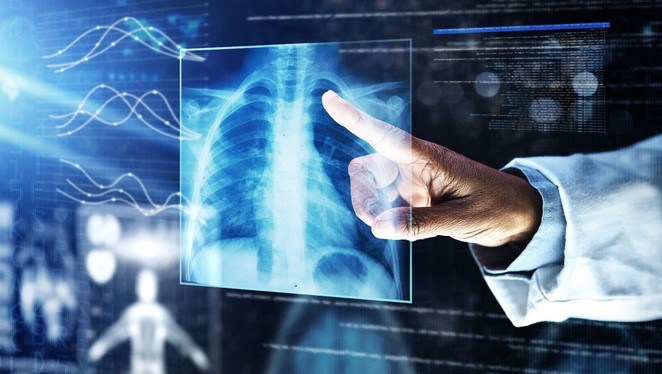
The integration of advanced computational technologies into healthcare is transforming the way diseases are detected, analyzed, and treated. Among these innovations, ai in medical diagnosis stands out as a groundbreaking development that enhances clinical accuracy and supports faster decision-making. By leveraging machine learning algorithms, large-scale data analysis, and predictive modeling, artificial intelligence systems can assist healthcare professionals in identifying patterns that might otherwise go unnoticed. As healthcare systems worldwide face increasing patient volumes and complex medical conditions, intelligent diagnostic tools are emerging as critical components of modern medical practice.
The Evolution of Diagnostic Methods
Medical diagnosis has traditionally relied on physician expertise, laboratory tests, imaging technologies, and patient history assessments. While these approaches have delivered remarkable progress over the decades, they are often constrained by human limitations such as fatigue, cognitive bias, and time pressure. The growing volume of medical data further complicates the diagnostic process, making it increasingly difficult for clinicians to analyze every variable comprehensively.
Machine learning introduces a data-driven paradigm that complements traditional expertise. Instead of replacing physicians, AI systems function as advanced analytical assistants. They process vast datasets—including electronic health records, medical imaging, genetic information, and clinical notes—to identify correlations and trends with high precision.
For example, in radiology, AI algorithms can examine thousands of imaging samples to detect subtle abnormalities in X-rays, CT scans, and MRIs. These systems are trained using labeled datasets, allowing them to distinguish between healthy and pathological patterns with impressive accuracy. In pathology, digital slide analysis powered by machine learning supports the early detection of cancerous cells.
Natural language processing (NLP) is another critical advancement. It enables AI systems to interpret unstructured clinical documentation, extracting meaningful insights from physician notes and patient reports. This capability improves documentation accuracy and enhances data integration across healthcare systems.
As computational power and data availability continue to grow, diagnostic AI tools are becoming more refined, reliable, and widely accessible.
Machine Learning Models and Clinical Applications
The success of AI-driven diagnostics depends largely on the sophistication of underlying machine learning models and their ability to learn from diverse medical datasets.
Data-Driven Insights and Predictive Precision
Supervised learning models are commonly used in diagnostic applications. These models are trained using labeled datasets where outcomes are already known. By analyzing patterns associated with specific conditions, they develop predictive capabilities that assist clinicians in identifying diseases at earlier stages.
Deep learning, a subset of machine learning, has shown exceptional performance in image-based diagnostics. Convolutional neural networks (CNNs) are particularly effective in analyzing medical imaging. They automatically detect complex visual features without manual programming, making them suitable for identifying tumors, fractures, or cardiovascular abnormalities.
In cardiology, AI systems can analyze electrocardiogram (ECG) data to predict arrhythmias or heart failure risk. In dermatology, image recognition algorithms evaluate skin lesions to determine the likelihood of malignancy. Similarly, in ophthalmology, AI tools assess retinal scans to detect diabetic retinopathy with high sensitivity.
Predictive analytics also plays a significant role in preventive care. By examining patient histories, genetic markers, and lifestyle factors, AI models can estimate disease risk probabilities. This enables proactive interventions and personalized treatment plans.
Integration with wearable devices further enhances diagnostic capabilities. Continuous monitoring of vital signs generates real-time data streams that AI systems can analyze for early warning signals. This approach supports remote patient monitoring and reduces hospital readmissions.
Despite these advancements, model validation and regulatory oversight remain essential. Clinical trials and peer-reviewed evaluations ensure that AI tools meet safety and efficacy standards before widespread adoption.
Benefits and Ethical Considerations
The implementation of AI-powered diagnostics offers numerous advantages for healthcare systems and patients alike. Improved accuracy is perhaps the most significant benefit. By identifying patterns across large datasets, AI systems reduce the likelihood of missed diagnoses and false negatives.
Speed is another critical factor. Automated analysis can process complex datasets within seconds, accelerating diagnosis and enabling timely treatment. In emergency settings, rapid decision support can significantly impact patient outcomes.
Cost efficiency also improves. Early detection of diseases reduces the need for expensive late-stage treatments. Additionally, automation streamlines administrative processes, allowing healthcare professionals to focus more on patient care.
However, ethical considerations must be addressed carefully. Data privacy is paramount, as medical records contain sensitive personal information. Robust encryption and compliance with healthcare regulations are essential to maintain patient trust.
Bias in training data is another concern. If datasets lack diversity, AI models may produce inaccurate results for underrepresented populations. Continuous evaluation and inclusive data collection practices are necessary to mitigate these risks.
Transparency and explainability are equally important. Clinicians must understand how AI systems arrive at their conclusions to ensure accountability and informed decision-making. Explainable AI models help bridge the gap between complex algorithms and clinical judgment.
Importantly, AI should complement—not replace—medical professionals. Human expertise remains indispensable for contextual interpretation, empathetic communication, and ethical decision-making.
Future Prospects and Innovation
The future of AI-driven diagnostics is marked by ongoing innovation and interdisciplinary collaboration. Advances in genomics and personalized medicine will further expand the scope of machine learning applications. AI systems may soon analyze individual genetic profiles to tailor treatment strategies with unprecedented precision.
Federated learning is emerging as a promising approach to data sharing without compromising privacy. This technique allows institutions to train AI models collaboratively while keeping patient data secure within local systems.
Integration with robotic surgery and advanced imaging technologies may also enhance diagnostic workflows. AI-powered platforms could guide surgical planning and real-time decision-making, improving procedural accuracy.
Global health initiatives stand to benefit as well. In regions with limited access to medical specialists, AI diagnostic tools can provide decision support and reduce disparities in healthcare delivery. Mobile-based diagnostic applications may bring high-quality medical analysis to remote communities.
As research continues, regulatory frameworks will evolve to ensure responsible implementation. Collaboration between technologists, clinicians, policymakers, and ethicists will shape the trajectory of AI in healthcare.
The convergence of machine learning, data analytics, and clinical expertise is redefining the diagnostic landscape. By enhancing accuracy, accelerating analysis, and supporting preventive care, ai in medical diagnosis is transforming healthcare delivery across diverse medical fields. While challenges related to ethics, privacy, and bias require ongoing attention, the potential benefits are profound. As innovation continues and validation processes strengthen trust, ai in medical diagnosis will play an increasingly central role in achieving more precise, efficient, and patient-centered healthcare systems worldwide.
