Category: <span>Mobile Technology</span>

Source:https://www.smartphonesplus.com

With the constant release of new smartphone models, buying a brand-new device every year can become an expensive habit. As a result, many consumers are turning to a more budget-friendly option: purchasing used smartphones for sale. Used smartphones offer a great alternative to buying new, providing excellent value at a fraction of the cost. However, buying a used smartphone comes with its own set of challenges. To make sure you’re getting a quality device at the right price, it’s essential to know what to look for, how to assess a used smartphone, and where to find trustworthy sellers. This comprehensive guide will walk you through the steps to help you make an informed decision when shopping for used smartphones.

1. Understanding the Advantages of Buying Used Smartphones

Before diving into the specifics of what to look for, it’s important to first understand why used smartphones are so appealing to many buyers. Whether you’re trying to save money or find a discontinued model, there are several key benefits to purchasing a used smartphone.

a) Affordability

The most obvious benefit of buying a used smartphone is the price. New smartphones can cost anywhere from $700 to over $1,000 for flagship models, and purchasing used smartphones for sale can reduce that cost by 30-50%. For budget-conscious buyers, used devices offer significant savings, allowing you to own a high-quality phone without breaking the bank.

b) Environmental Impact

By purchasing a used smartphone, you are contributing to sustainability efforts. Electronic waste (e-waste) is a growing environmental issue, and extending the life of a smartphone through resale helps reduce the environmental impact of manufacturing and disposal. Opting for a used phone instead of a new one is a small but effective way to be more eco-conscious.

c) Access to Older Models

If you’re looking for an older model that is no longer available through mainstream retailers, the used market is an excellent place to find it. Whether it’s a discontinued iPhone model or an older Android device, used smartphones for sale allow you to access phones that may no longer be in production.

d) Less Depreciation

New smartphones lose their value as soon as they leave the store, with some losing as much as 30% of their value in the first year. However, used phones have already undergone this steep depreciation, meaning that the price you pay is more aligned with the phone’s current market value, reducing the steep loss that comes with buying new.

2. Key Factors to Consider When Buying Used Smartphones

While the advantages are clear, buying used smartphones requires careful consideration to ensure you’re getting a good deal. Here are the most important factors to evaluate when purchasing a used smartphone:

a) Device Condition

The condition of the device is one of the most critical factors to assess. Used smartphones can range from “like new” to heavily worn-out. Check for any visible signs of damage, such as cracked screens, scratches, or dents. Some sellers will list the phone’s condition as “grade A,” “grade B,” or “grade C,” which refers to the level of wear and tear. Ideally, you’ll want to buy a phone in as close to new condition as possible.

b) Battery Health

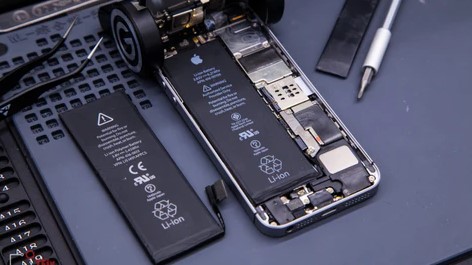
Smartphone batteries degrade over time, which can significantly affect the performance of the device. It’s essential to ask the seller about the battery’s health or check if the battery has been replaced. Many smartphones have a built-in feature that allows users to check the battery health in the settings (for iPhones, this is under “Battery Health” in the settings menu). A battery with less than 80% capacity may need replacing soon, so it’s best to avoid phones with poor battery health unless you’re willing to pay for a replacement.

c) Warranty and Return Policy

When buying used smartphones for sale, it’s a good idea to ensure the device is still under warranty, if possible. Some retailers or manufacturers offer warranties on refurbished devices, which can provide extra peace of mind. Additionally, check the seller’s return policy. Ideally, you want the option to return or exchange the phone if it doesn’t meet your expectations or has hidden issues.

d) Unlocked vs. Locked

Unlocked phones are compatible with any carrier, while locked phones are restricted to specific network providers. If you plan to switch carriers or use international SIM cards, it’s best to buy an unlocked phone. Ensure that the phone is unlocked before making a purchase, as unlocking a phone afterward can be tricky or costly, depending on the carrier and device.

e) IMEI and Activation Status

The IMEI (International Mobile Equipment Identity) number is a unique identifier for every smartphone. Before purchasing a used phone, you should ask for the IMEI number and verify that the phone has not been reported as stolen or blacklisted. You can do this by using online IMEI checking services. Also, make sure the phone is not locked to the previous owner’s account (such as an iCloud or Google account), as this can prevent you from using the phone.

f) Price Comparison

While used smartphones are generally more affordable than new ones, the price can vary depending on the model, condition, and accessories included. Do some research on the market value of the specific model you’re considering and compare prices from multiple sources. This will help you avoid overpaying for a used device. Additionally, be cautious of deals that seem too good to be true, as they could be scams or involve counterfeit devices.

3. Where to Find Trusted Used Smartphones for Sale

Once you understand the factors to consider, the next step is finding reliable sources for used smartphones. Below are some trusted platforms and methods for purchasing a used phone:

a) Certified Refurbished Retailers

Certified refurbished phones are pre-owned devices that have been inspected, repaired, and tested by the manufacturer or a certified third-party. Buying from a certified retailer, such as Apple, Samsung, or Best Buy, provides a level of reassurance that the device has been professionally refurbished and comes with a warranty.

b) Online Marketplaces

Platforms like eBay, Amazon, and Swappa offer vast selections of used smartphones for sale. These platforms allow you to filter devices by condition, model, and price. While these websites provide buyer protection, it’s still important to carefully read the seller’s reviews and descriptions before making a purchase. Be wary of sellers without any ratings or feedback.

c) Local Options: Facebook Marketplace and Craigslist

Local options, such as Facebook Marketplace or Craigslist, can provide great deals on used smartphones, often at lower prices than those found online. However, buying from individuals means there’s less protection if something goes wrong, so you’ll want to meet in person, test the phone, and verify its condition before making a purchase. It’s also essential to meet in a safe, public location to reduce the risk of scams.

d) Carrier Trade-In Programs

Many mobile carriers, like Verizon, AT&T, and T-Mobile, offer trade-in programs that provide used phones for sale at discounted prices. These phones may come with a warranty or return policy, making them a safer bet than buying from individual sellers. You can also find used devices through carrier-approved resellers or outlets.

When shopping for used smartphones for sale, it’s important to be informed and cautious. By understanding what to look for in terms of condition, battery health, and warranty, you can ensure that you’re getting a quality phone at a reasonable price. Whether you’re shopping online through certified refurbished retailers or buying locally, there are plenty of options to choose from. Always remember to verify the phone’s condition, check for the warranty, and do a price comparison before making your purchase. With the right research and attention to detail, you can find the perfect used smartphone that fits both your needs and budget.

Mobile Technology

Source:https://i.ytimg.com

In an age where smartphones are an integral part of our daily lives, ensuring their durability is more important than ever. Smartphone durability tests have become a critical way to assess how well a device can withstand accidental drops, exposure to water, extreme temperatures, and other challenging conditions. As phone designs become sleeker and more sophisticated, the need to understand their real-world durability has grown. Consumers want to know whether their phones can endure the bumps and bruises of everyday use, while manufacturers strive to improve their products to withstand these challenges. This article will explore the current state of smartphone durability tests, the methods used to evaluate a phone’s toughness, and how today’s devices measure up in terms of resilience.

The Evolution of Smartphone Durability

Smartphones have come a long way since their inception in the early 2000s. What was once a bulky device used for making calls has transformed into a sleek, multifunctional gadget that serves as an essential tool for communication, entertainment, work, and more. However, with this evolution comes the challenge of maintaining durability in a device that is increasingly slim, lightweight, and feature-packed.

In the early days, durability wasn’t a primary concern for most phone manufacturers. Phones were often built like tanks, with durable plastic or metal bodies that could withstand drops and rough handling. However, with the advent of larger screens, thinner designs, and glass bodies, smartphones have become more fragile, especially when it comes to drop tests or accidental falls.

As a result, smartphone durability tests have become a common and necessary part of the industry. These tests not only give consumers an idea of how their devices will hold up under stress but also provide valuable insights for manufacturers looking to design better, tougher phones.

Key Factors Affecting Smartphone Durability

Several key factors contribute to a smartphone’s overall durability, and understanding these factors is essential for both consumers and manufacturers. Some of the primary elements that affect a phone’s toughness include:

  • Materials: The materials used in the construction of a smartphone, such as the type of glass for the screen, the body material (metal, plastic, or glass), and the type of coating (for example, Gorilla Glass), all influence its durability.
  • Screen Size: Larger screens, while offering more display real estate, can be more prone to cracking or shattering when dropped, making screen protection critical for device longevity.
  • Water Resistance: IP ratings (Ingress Protection) determine how well a phone can resist water and dust. Phones with a higher IP rating can survive immersion in water for longer periods and under more challenging conditions.
  • Battery and Internal Components: A phone’s internal components, including its battery, circuit boards, and processors, must be protected from shocks, drops, and extreme temperatures.

Popular Durability Tests for Smartphones

To assess the durability of smartphones, several standardized tests are used, and some manufacturers even perform their own proprietary tests to ensure their devices meet certain benchmarks. Below are some of the most commonly used smartphone durability tests:

1. Drop Tests

Drop tests are perhaps the most well-known and widely used durability tests for smartphones. The test typically involves dropping the phone from a height (usually around 1.5 meters) onto different surfaces like concrete, wood, or carpet. The goal is to evaluate how well the phone can survive falls that are common in everyday use, such as slipping from a pocket or falling off a table.

While drop tests can be brutal, they give a good indication of a phone’s structural integrity. Most drop tests focus on the screen, as it’s one of the most vulnerable parts of the device. Phones with reinforced glass, such as Corning’s Gorilla Glass, tend to perform better in drop tests. However, even phones with durable glass can suffer from screen cracks or shattering when dropped at certain angles.

2. Water Resistance Tests

In addition to drops, water resistance is another important factor in smartphone durability. Many modern smartphones come with an IP rating, which indicates their ability to resist water and dust. An IP68 rating, for example, means the phone can be submerged in water up to 1.5 meters for up to 30 minutes without damage.

Water resistance tests involve submerging phones in water or exposing them to rain, spills, or sweat to determine how well they hold up. While IP ratings give consumers a general idea of water resistance, real-world tests can help identify weaknesses in the phone’s design. For example, many phones may perform well under normal conditions but could be vulnerable to water ingress if the seals around the device’s buttons or charging ports are compromised.

3. Temperature and Pressure Tests

Extreme temperature tests are designed to simulate the impact of exposure to high heat or freezing cold. These tests are particularly important for users who live in harsh climates or work in environments with fluctuating temperatures.

Phones are typically subjected to heat (e.g., left in a hot car) or cold (e.g., placed in a freezer) for extended periods. The goal is to see how well the phone’s internal components, including the screen and battery, handle these extremes. Additionally, pressure tests, where weight is applied to the phone’s body, help assess the structural integrity of the phone’s chassis.

4. Scratch and Abrasion Tests

While scratches may seem like a minor concern compared to cracks or water damage, they can affect the phone’s aesthetic appeal and long-term usability. Scratch tests involve rubbing the phone’s screen and body with materials of varying hardness to determine how easily it gets scratched. These tests give an indication of how well a phone’s materials resist everyday wear and tear, such as contact with keys or coins in a pocket or bag.

Some phones also undergo abrasion tests to simulate repeated rubbing or scuffing, which can happen when a phone is placed in a bag with other objects. The goal is to determine how well the phone’s surface can maintain its appearance over time.

Real-World Durability: How Do Today’s Smartphones Perform?

When it comes to smartphone durability tests, today’s phones are generally more resilient than ever before, thanks to advancements in materials and manufacturing processes. However, the results can vary widely depending on the device and the type of test.

Phones with reinforced glass, such as the latest iPhones, Samsung Galaxy devices, and Google Pixels, typically perform well in drop tests, with minimal damage to the screen or body. However, even with protective glass, there is no guarantee that the phone will be completely impervious to drops. The corners and edges of the device are often the first to show signs of damage.

Water resistance is another area where many modern smartphones excel. Phones with IP68 ratings can withstand short periods of submersion in water, making them more reliable for users who might accidentally drop their phone in a pool or spill a drink on it. However, it’s important to remember that water resistance doesn’t mean water-proof, and prolonged exposure or high-pressure situations can still cause damage.

Additionally, the latest models tend to have improved temperature resistance, with some phones even boasting the ability to perform in freezing temperatures without issue. However, the performance of internal components, like the battery, can still be affected by extreme temperatures.

In conclusion, smartphone durability tests have become a vital part of assessing a device’s ability to withstand everyday wear and tear. With continuous advancements in materials, manufacturing techniques, and protective features, modern smartphones are more durable than ever before. However, no device is entirely impervious to damage, and real-world conditions can still pose risks. Consumers should consider these durability tests when choosing a smartphone, keeping in mind factors like screen protection, water resistance, and overall build quality. By doing so, they can ensure they invest in a device that will hold up to the demands of daily life, without sacrificing style or functionality.

Mobile Technology

Source:https://godreamcast.com

In today’s fast-paced digital world, mobile payment systems have revolutionized the way we conduct transactions. With the proliferation of smartphones and the increasing adoption of mobile wallets, consumers are now able to make payments with just a few taps, whether in-store or online. However, with the convenience of mobile payments comes the increasing concern over mobile payment security. As more people embrace mobile payments, securing these transactions has become a priority for both consumers and financial institutions. In this article, we will explore the evolution of mobile payment security, the technologies used to protect digital transactions, and the steps both users and service providers can take to safeguard sensitive data.

The Growing Popularity of Mobile Payments

Mobile payment systems have quickly become an integral part of daily life. Platforms like Apple Pay, Google Pay, Samsung Pay, and other digital wallets allow users to store their credit card, debit card, and bank account information securely on their mobile devices. With the rise of e-commerce and contactless payments, consumers prefer the speed, convenience, and flexibility of mobile payments over traditional payment methods. According to various reports, mobile payment adoption is expected to continue its rapid growth in the coming years.

As mobile payments become more mainstream, the number of transactions conducted through smartphones and wearables is growing exponentially. Whether you’re paying for groceries, ordering a ride, or shopping online, mobile payment options are now more accessible than ever. However, this increasing dependence on mobile payment systems also brings with it heightened concerns about the safety and security of personal and financial data.

Mobile payment security is crucial not only for protecting consumers’ financial assets but also for maintaining trust in digital payment systems. With cyber threats like hacking, identity theft, and data breaches on the rise, ensuring that mobile transactions are secure has become one of the most significant challenges in the digital finance space.

Key Security Technologies Behind Mobile Payments

1. Tokenization: Replacing Sensitive Information with Secure Tokens

Tokenization is one of the most advanced technologies used to enhance mobile payment security. This process replaces sensitive payment information, such as credit card numbers or bank account details, with unique digital tokens. These tokens are useless to hackers or anyone who may intercept the transaction, as they cannot be traced back to the original data.

When a user makes a mobile payment, the payment system generates a one-time token that represents the transaction. This token is used during the transaction process instead of the actual credit card number. The tokenization process ensures that even if a hacker gains access to the transaction data, they will only see a meaningless string of characters rather than valuable payment information.

For example, when using Apple Pay or Google Pay, the payment process involves tokenization, ensuring that the merchant never receives your actual credit card number. This makes tokenization an essential security measure for reducing the risk of data breaches and unauthorized access to sensitive financial information.

2. Biometric Authentication: Enhancing User Verification

Another key component of mobile payment security is biometric authentication, which uses unique physical characteristics to verify users. Biometrics, such as fingerprint scanning, facial recognition, and iris scanning, have become the standard for mobile device security and have been integrated into mobile payment systems.

Biometric authentication significantly improves security by ensuring that only the authorized user can complete a transaction. For example, if you use Apple Pay or Google Pay, the system requires you to authenticate your identity using your fingerprint or face recognition before processing the payment. This ensures that even if someone else has access to your phone, they cannot use it to make payments without your biometric authentication.

As biometric technologies continue to evolve, they are becoming increasingly difficult to spoof or bypass, providing a more secure way to verify users compared to traditional PINs or passwords. The use of biometric authentication in mobile payments makes it harder for unauthorized users to access your mobile wallet and complete fraudulent transactions.

3. End-to-End Encryption: Securing Data Transmission

End-to-end encryption is a foundational element of mobile payment security. It ensures that any data transmitted between the user’s device and the merchant or financial institution is encrypted and cannot be intercepted by malicious actors during the transaction process.

When a mobile payment is made, the payment details are transmitted over the internet to a payment gateway. End-to-end encryption ensures that the information is scrambled during transmission, so even if a hacker intercepts the data, they will not be able to read or use it. Only the intended recipient—typically the merchant or bank—has the decryption key to unlock the data and complete the transaction.

End-to-end encryption also protects users’ sensitive data when making online purchases or conducting bank transfers, further securing mobile payment systems and building consumer trust. Financial institutions and mobile payment providers must continue to invest in strong encryption protocols to ensure that users’ information remains safe.

Best Practices for Ensuring Mobile Payment Security

1. Use Strong Passwords and Multi-Factor Authentication (MFA)

While biometrics are a powerful security feature, relying solely on them may not be enough. Users should also implement strong passwords and enable multi-factor authentication (MFA) wherever possible. MFA requires users to verify their identity through two or more authentication factors, such as a fingerprint scan and a one-time PIN sent via text or email.

By combining multiple layers of security, MFA adds an extra level of protection, reducing the risk of unauthorized access to your mobile wallet and personal data. It’s essential for users to avoid simple or commonly used passwords and regularly update them for better security.

2. Keep Software and Apps Updated

Another crucial step in protecting mobile payment security is ensuring that your smartphone’s operating system and mobile payment apps are always up to date. Security vulnerabilities in older versions of software can be exploited by hackers, so it’s important to install updates as soon as they become available.

Mobile payment providers regularly release security patches to address potential vulnerabilities. Keeping your device and apps up to date ensures that you benefit from the latest security enhancements, which can protect your mobile payments from emerging threats.

3. Monitor Account Activity Regularly

Another effective way to safeguard your mobile payment transactions is by regularly monitoring your financial accounts and transaction history. Many financial institutions offer real-time alerts for account activity, which can notify you of any suspicious transactions.

By keeping an eye on your account and reporting unauthorized charges immediately, you can mitigate the damage caused by potential fraud and prevent future incidents. Additionally, many mobile payment apps now allow you to lock or disable your account remotely in case your device is lost or stolen.

4. Avoid Public Wi-Fi for Mobile Payments

When making mobile payments, it’s best to avoid using public Wi-Fi networks, as these networks are more vulnerable to cyberattacks. Hackers can potentially intercept transactions made over unsecured Wi-Fi, gaining access to sensitive payment information.

Instead, use a secure, private Wi-Fi connection or mobile data when making payments. Many mobile devices also offer a virtual private network (VPN) feature, which adds an extra layer of encryption when using public Wi-Fi, further enhancing mobile payment security.

In conclusion, mobile payment security is evolving rapidly as digital transactions become more integral to our daily lives. As mobile payment systems become more advanced, they must adapt to new security challenges posed by cybercriminals. Technologies such as tokenization, biometric authentication, and end-to-end encryption play a vital role in ensuring that mobile payments remain secure and trustworthy.

Consumers also play an essential role in safeguarding their mobile payments by following best practices, such as using strong passwords, enabling multi-factor authentication, and monitoring account activity. As we move toward a more cashless society, ensuring the security of mobile payment systems will remain a top priority. By investing in robust security measures, both users and service providers can enjoy the benefits of mobile payment systems with confidence, knowing that their transactions are protected in the digital world.

Mobile Technology

Source:https://blogger.googleusercontent.com

The rapid evolution of smartphones has led to increasingly powerful devices capable of handling a wide range of tasks. However, despite these advancements, one key limitation remains: the inability to efficiently multitask on a single screen. This challenge has prompted manufacturers to explore innovative solutions, with one of the most promising being dual screen smartphones. These devices, which feature two separate displays that work in tandem, are changing the way we interact with mobile technology. By offering more screen real estate, dual screen smartphones enable seamless multitasking, improve productivity, and provide an immersive user experience. As technology continues to advance, these devices are set to become an integral part of our daily lives.

The Rise of Dual Screen Smartphones

What Are Dual Screen Smartphones?

Dual screen smartphones are devices equipped with two separate, interactive screens that can work simultaneously or independently. The design usually incorporates two full-sized screens that may either be connected via a hinge or arranged side by side. These screens provide users with the flexibility to run multiple applications, view content side-by-side, or extend the display to offer a more expansive visual experience.

Unlike foldable smartphones, which offer a single, foldable screen, dual screen smartphones keep two separate displays that do not fold into a single unit. This design approach allows users to maintain multitasking capabilities without worrying about the durability issues that often affect foldable screens. The most common configuration features one primary display for regular tasks, while the second display can be used for apps, controls, or as an extension of the first screen.

The concept of dual screens is not new; however, it has gained momentum in recent years with several major manufacturers introducing models to the market. The LG V60 ThinQ and Microsoft’s Surface Duo are among the most prominent examples of dual screen smartphones, but the potential for this technology is just beginning to be explored.

How Dual Screen Smartphones Enhance Multitasking

One of the most significant advantages of dual screen smartphones is their ability to drastically improve multitasking. For years, smartphone users have been accustomed to switching between apps using task managers, split-screen modes, or floating windows. While these methods are effective, they often come with limitations—such as reduced screen real estate or a fragmented experience. With dual screens, users can run multiple apps simultaneously on separate displays, enhancing workflow and productivity.

Here are a few scenarios where dual screen smartphones excel in multitasking:

  • Simultaneous App Usage: Users can run two apps side by side without having to constantly switch between them. For instance, you could browse the web on one screen while chatting with a colleague on a messaging app on the other.
  • Extended Screen for Content Creation: For creative professionals, dual screen smartphones offer an extended canvas for editing photos or videos. One screen can display the editing tools, while the other shows the content being worked on.
  • Gaming and Streaming: Gamers can enjoy a more immersive experience by using one screen for gameplay and the second screen for managing inventory, viewing maps, or even chatting with other players in real time. Similarly, dual screens enable multitasking in streaming; one screen can be used for watching content, while the other can be used for browsing or chatting.
  • Productivity and Collaboration: Dual screens allow for efficient multitasking in productivity applications. For example, you can work on a document while simultaneously reviewing related notes or a reference webpage. This flexibility makes dual screen smartphones ideal for people who require mobile devices for work and communication.

Design and Technology Behind Dual Screen Smartphones

The Evolution of Dual Screen Technology

The idea of a dual screen smartphone has been in the works for many years, but it has gained significant traction as manufacturers push the boundaries of mobile technology. Initially, the challenge was to ensure that the dual screens functioned seamlessly, providing a consistent user experience without adding unnecessary bulk or sacrificing portability.

Today’s dual screen smartphones incorporate cutting-edge technology to optimize performance and user experience. Here are some key design aspects:

  • Hinge Mechanism: One of the most critical innovations in dual screen smartphones is the hinge mechanism that allows the two displays to open and close with ease. Companies like Microsoft and LG have developed advanced hinges that ensure smooth transitions between displays, enabling users to fold the device for portability without compromising the functionality of the screens.
  • Software Integration: Dual screen smartphones require specialized software to fully integrate the two displays. The operating system must be able to detect both screens and enable seamless interaction between apps. Manufacturers often include custom features such as dual-screen multitasking apps, customizable shortcuts, and gesture controls to enhance the experience.
  • Battery and Power Management: Running two displays simultaneously can be taxing on the battery. As a result, dual screen smartphones are equipped with optimized battery management systems that allow users to switch between single and dual screen modes depending on their needs. Some models also feature power-sharing capabilities, allowing the secondary display to be used selectively to preserve battery life.
  • Display Quality: The quality of both screens is paramount in dual screen smartphones. Both screens need to offer high resolution, vibrant colors, and consistent performance to ensure a smooth and enjoyable experience for users. Many dual screen devices use OLED or AMOLED technology to provide sharp, high-contrast visuals that make multitasking more efficient.

The Future of Dual Screen Smartphones

As mobile technology continues to progress, dual screen smartphones are expected to evolve in several ways. One area where we may see significant improvement is in the integration of 5G technology. With faster internet speeds, dual screen devices will be able to handle more intensive tasks such as streaming ultra-high-definition video or running multiple cloud-based applications simultaneously.

Additionally, the introduction of AI and machine learning into dual screen smartphones will likely improve how users interact with the device. Intelligent task management and predictive multitasking could automatically adjust which apps are displayed on each screen based on user habits, enhancing productivity without manual intervention.

Challenges and Considerations

Despite the advantages of dual screen smartphones, there are several challenges that manufacturers and users must consider:

  • Size and Portability: Dual screen smartphones tend to be larger and heavier than traditional devices, which may not appeal to users who prioritize portability and sleek design. While the extra screen real estate is a significant advantage for multitasking, it can also make the device less convenient for everyday use.
  • Software Optimization: Although dual screen smartphones offer more flexibility, app developers must optimize their applications for this form factor. Not all apps are designed to take full advantage of dual screens, and some may not function properly when split across two displays.
  • Cost: Dual screen smartphones are typically more expensive than standard devices due to the advanced technology and materials used in their design. As the technology becomes more mainstream, however, prices are expected to decrease.

Dual screen smartphones are a glimpse into the future of multitasking devices, offering enhanced productivity, improved user experiences, and greater flexibility for consumers. As technology advances, these devices are likely to become more integrated into daily life, with their ability to run multiple apps, improve workflow, and provide immersive entertainment experiences. While challenges remain in terms of software optimization and device design, dual screen smartphones are set to play a pivotal role in how we interact with mobile technology in the years to come. As manufacturers continue to innovate and refine the technology, we can expect these devices to become increasingly indispensable for users looking to maximize their multitasking potential.

Mobile Technology

Source:https://www.quytech.com

In 2026, mobile voice assistant apps have evolved significantly, moving far beyond simple voice commands for basic tasks. These apps now boast advanced AI capabilities, enabling them to perform a wide range of activities, from managing complex workflows to predicting user needs. As artificial intelligence (AI) continues to advance, mobile voice assistants are becoming more context-aware, personalized, and interactive. The future of these apps promises smarter, more intuitive systems that understand users’ behaviors, preferences, and even emotional states. In this article, we will explore how mobile voice assistant apps are transforming the way we interact with technology and the everyday implications of these advancements.

The Evolution of Mobile Voice Assistants

Mobile voice assistants, such as Siri, Google Assistant, and Alexa, have long been essential tools for users looking for hands-free operation and quick task management. Initially, they served as tools for basic commands like sending texts, setting reminders, or checking the weather. However, with the integration of more powerful machine learning (ML) algorithms and natural language processing (NLP), these apps have rapidly expanded in their capabilities.

In the early 2020s, voice assistants were limited in their understanding of context and user preferences. For example, if a user asked for the weather, the assistant would return a standard answer, but could not adapt to the context, such as suggesting clothing based on temperature, location, or upcoming events. Over the years, however, mobile voice assistant apps have made great strides in overcoming these limitations, with voice recognition and personalization features becoming more advanced. By 2026, these apps are on the brink of revolutionizing how we interact with both mobile devices and the broader digital ecosystem.

Key Features of Smarter Mobile Voice Assistant Apps

1. Contextual Awareness and Personalization

One of the most significant improvements in mobile voice assistant apps is their enhanced ability to understand and respond to context. Unlike earlier iterations, the voice assistants of 2026 have the ability to remember user preferences and adapt responses accordingly. For example, if a user typically asks their voice assistant for traffic updates at a certain time of day, the assistant can proactively provide this information before the user even asks.

These systems are increasingly powered by AI models that can learn from users’ habits, preferences, and past interactions. The more you use a voice assistant, the smarter it becomes, offering more accurate and tailored responses. A mobile voice assistant could suggest new music based on your listening habits, recommend restaurants based on your past dining preferences, or even remind you of upcoming tasks based on your current location and calendar.

This level of personalization is achieved through the continuous learning of user behavior. The app does not just respond to requests, but anticipates needs and improves over time. For instance, if a user has a morning routine of checking emails and reading the news, the assistant might begin offering summaries before the user has to ask. This kind of anticipatory behavior elevates the user experience by making the assistant feel more like a proactive partner in day-to-day life.

2. Improved Natural Language Processing (NLP) and Emotional Intelligence

A significant advancement in mobile voice assistant apps is their growing ability to understand and process natural language in a much more nuanced way. NLP algorithms are now capable of comprehending complex phrases, slang, and regional dialects with greater precision. This makes communication with voice assistants feel more natural and less stilted.

Beyond understanding language, the next frontier is emotional intelligence. In 2026, voice assistants can detect subtle changes in tone, pitch, and speech patterns, allowing them to gauge a user’s mood or emotional state. For instance, if a user sounds stressed or frustrated, the assistant can alter its responses accordingly—either by offering calming suggestions, such as guided breathing exercises, or by recognizing the user’s need for urgent information.

Such capabilities can extend beyond casual interactions. In work settings, for example, mobile voice assistants can adjust their tone based on whether they detect urgency or the need for concise information. They may even prioritize tasks, ensuring that high-priority items are addressed first.

3. Seamless Integration with IoT and Smart Devices

As the number of Internet of Things (IoT) devices in our homes and workplaces grows, the integration between mobile voice assistants and these devices has become more seamless. In 2026, voice assistants are central hubs for controlling smart homes, workplaces, and even cars. Whether it’s adjusting the temperature in the home, dimming the lights, or controlling the entertainment system, these assistants can interact with a wide array of devices on command.

With better AI and increased connectivity, these mobile voice assistant apps not only control these devices but also adjust them intelligently based on context. For example, if a user asks the assistant to “turn on the lights,” it can know exactly which room to target based on the user’s location. Likewise, voice assistants in cars can suggest routes based on real-time traffic conditions or adjust the car’s climate based on personal comfort preferences learned over time.

For businesses, these assistants can automate workflows across multiple connected devices. In an office setting, for instance, a voice assistant could schedule meetings, arrange conference calls, and even adjust meeting room temperatures, all while interacting with different smart devices seamlessly.

The Challenges and Ethical Considerations

While mobile voice assistant apps have made substantial improvements, there are still several challenges that need to be addressed. One of the most pressing issues is data privacy. As voice assistants learn more about their users’ habits, preferences, and even emotions, they generate vast amounts of personal data. Ensuring that this data is protected and used ethically is paramount for developers and companies that offer these services.

Additionally, there is the issue of consent. In an era where voice assistants are constantly listening and analyzing conversations, users need to be given complete transparency and control over what data is collected, how it is stored, and who has access to it. Regulatory bodies and tech companies will need to work together to create robust standards for safeguarding user data.

Another challenge lies in improving the accuracy and effectiveness of these assistants in different environments. Voice assistants often struggle with noisy environments, accents, or ambiguous commands. While 2026 will see massive improvements in this area, there’s still room for development in enhancing voice recognition in all conditions.

In conclusion, mobile voice assistant apps in 2026 are set to completely transform how we interact with our digital environments. With contextual awareness, improved NLP, emotional intelligence, and seamless integration with IoT, these devices will be more than just tools—they will become intuitive, personalized partners that understand and anticipate our needs. As these technologies advance, mobile voice assistant apps will continue to evolve, offering even greater convenience and productivity while raising important questions about privacy and ethical usage. The future promises a world where voice assistants are not just reactive tools, but proactive, intelligent systems that enhance both our personal and professional lives.

Mobile Technology

Source:https://img.freepik.com

In today’s fast-paced digital world, the way we handle money and make transactions has drastically changed. Gone are the days when we had to carry physical cash or credit cards for everyday purchases. With the rise of mobile payment apps, paying for goods and services has become more efficient, seamless, and secure. These apps are revolutionizing the way businesses and consumers engage in financial transactions, making payments quicker and more accessible. In this article, we’ll explore how mobile payment apps are transforming the transaction landscape, providing greater convenience, security, and innovative features that benefit both consumers and merchants.

1. The Evolution of Mobile Payments

The Rise of Digital Wallets

The first wave of mobile payment apps began with digital wallets, like PayPal, that allowed users to store their card information and make payments online. This was the beginning of a more convenient way to shop, eliminating the need for physical cards and giving users the ability to pay quickly with just a few clicks. Over time, mobile payment apps expanded beyond online transactions and started to offer in-store payments as well, often using QR codes or Near Field Communication (NFC) technology.

Apple Pay, Google Pay, and Samsung Pay are notable examples of digital wallets that have taken mobile payments to the next level. These apps use NFC to allow users to make in-store payments by simply tapping their phone at the point of sale (POS) terminal. By replacing the traditional card swipe or chip insert with a tap, mobile payment apps have made transactions faster and more convenient.

The evolution of mobile payments has made them an increasingly popular method of payment, both for consumers and merchants. As technology continues to advance, mobile payment apps are introducing new features that provide added functionality and benefits for their users.

Global Adoption and Increased Accessibility

As smartphones have become more ubiquitous and internet access more widespread, mobile payment apps have experienced rapid growth worldwide. A major factor driving the adoption of mobile payments is the convenience they offer. Whether you’re shopping at a retail store, ordering food delivery, or splitting a bill with friends, mobile payment apps allow users to complete transactions quickly and effortlessly.

In many countries, mobile payments have become the preferred method of payment due to their accessibility. In markets like China and India, mobile payment solutions have been embraced by millions of people, particularly in regions where banking infrastructure may be limited. With the rise of mobile payment apps, people no longer need to have a traditional bank account to engage in financial transactions, further increasing financial inclusion.

2. The Key Features Driving Mobile Payment App Popularity

Seamless Integration with Multiple Payment Methods

Mobile payment apps offer users the flexibility to link multiple payment methods to their accounts. This means you can connect your debit cards, credit cards, bank accounts, and even digital wallets like PayPal or Venmo to a single mobile payment app, making it easier to switch between payment methods when making purchases. This seamless integration not only simplifies the process for users but also offers greater flexibility, ensuring that you can always pay using your preferred method.

Many mobile payment apps also enable peer-to-peer (P2P) transfers, allowing users to send money to friends and family quickly and without hassle. Whether you need to reimburse a friend for dinner or pay for shared expenses, P2P transactions via mobile payment apps make it simple to send money in real-time, without the need for cash or checks.

Enhanced Security Features

Security is one of the most critical aspects of any payment system, and mobile payment apps have invested heavily in ensuring that transactions are both safe and secure. Unlike traditional credit card payments, mobile payment apps leverage advanced technologies like tokenization and biometric authentication to provide an extra layer of protection.

Tokenization replaces sensitive financial data, such as your credit card number, with a unique digital token that cannot be used outside the app, minimizing the risk of fraud. Additionally, biometric authentication methods like fingerprint scanning and facial recognition further enhance security, making it much harder for unauthorized users to access your financial information.

Many apps also use encryption and secure networks to safeguard data during transactions, providing users with peace of mind when making payments. With mobile payment apps, the risk of fraudulent activity is significantly reduced, especially when compared to traditional payment methods.

Loyalty Programs and Rewards

Another compelling feature of mobile payment apps is their integration with loyalty programs and rewards. Many mobile payment platforms offer users the ability to accumulate points or rewards with every purchase they make. This adds an extra incentive for users to adopt mobile payments, as they can earn discounts, cashback, or exclusive offers simply by using the app for their transactions.

For businesses, these programs provide valuable customer insights and can help build brand loyalty. By integrating loyalty programs into mobile payment apps, businesses can encourage repeat purchases and increase customer engagement, while consumers can enjoy the benefits of rewards and discounts.

3. The Future of Mobile Payment Apps

Integration with Emerging Technologies

As mobile payment apps continue to evolve, they are increasingly incorporating emerging technologies like artificial intelligence (AI), machine learning, and blockchain to further enhance their functionality and security. AI-powered features such as predictive analytics can help consumers make smarter financial decisions by analyzing spending patterns and providing personalized recommendations.

Blockchain technology holds the potential to revolutionize mobile payments by offering an even higher level of security and transparency. By using decentralized ledgers, blockchain could reduce the risk of fraud and make transactions faster and more secure, allowing users to make peer-to-peer payments without intermediaries like banks.

Increased Adoption of Contactless Payments

The COVID-19 pandemic accelerated the shift toward contactless payments, as consumers sought out safer and more hygienic ways to pay. Mobile payment apps have capitalized on this trend, making contactless payments the preferred method of transaction in many regions. As we move forward, it’s likely that contactless payments will become even more widespread, as both businesses and consumers prioritize ease, speed, and safety.

Future mobile payment apps are expected to offer even more seamless integration with other digital services, such as ride-sharing platforms, online banking, and even smart home devices. The ability to manage all aspects of daily life through a single mobile app will further simplify transactions and improve user convenience.

In conclusion, mobile payment apps are transforming the way we conduct financial transactions, offering a seamless, convenient, and secure way to pay for goods and services. With their integration of multiple payment methods, advanced security features, and rewards programs, these apps have become a popular choice for both consumers and businesses. As mobile payment technology continues to evolve, we can expect even greater innovation, enhanced security, and more seamless integration with other digital services. The future of mobile payments is bright, and they are sure to remain a key player in the global economy for years to come.

Mobile Technology

Source:https://www.digitaltrends.com

As iOS continues to evolve, Apple’s focus on user customization and functionality has reached new heights with the introduction of widgets. Among the innovations in iOS 16 is the growing interest in location-aware tools such as the distance widget iOS 16, which offers users a smarter way to track physical distances directly from their home screens. This tool integrates seamlessly into the iOS environment, allowing for a more efficient and interactive mobile experience. Whether used for travel, fitness, logistics, or daily commuting, this widget is proving to be an essential addition to the iOS ecosystem.

1. What Is the Distance Widget in iOS 16?

With iOS 16, Apple has opened the door for developers to create more advanced widgets that provide real-time data and interactive elements. The distance widget is designed to display dynamic distance information, such as how far you are from a selected location, how much ground you’ve covered on a walk or run, or even the distance to your next calendar appointment’s venue.

These widgets can be placed on the Lock Screen, Home Screen, or Today View, making information accessible without launching an app. They also leverage Apple’s Core Location framework to offer accurate GPS-based measurements, ensuring reliability and precision.

Subheading: Use Cases Across Different Lifestyles

The utility of the distance widget is broad and adaptive:

  • Fitness Enthusiasts: Runners, cyclists, and walkers can use the widget to track how far they’ve traveled or how much distance remains in a planned route.
  • Travelers and Commuters: The widget can show real-time distance to a destination, making it ideal for monitoring progress during road trips or daily commutes.
  • Event Planners and Professionals: Those managing schedules with multiple location-based meetings can use the widget to see how far they are from each client or venue at a glance.
  • Parents and Guardians: It’s even useful for keeping track of children’s locations, such as knowing how far a child is from home or school, assuming appropriate privacy permissions are granted.

2. Features and Integration

The distance widget in iOS 16 is more than just a static display—it’s a dynamic, interactive tool. Some of its core features include:

  • Real-Time Distance Updates: It updates continuously as your position changes, making it ideal for live tracking.
  • Multiple Location Support: Users can preset multiple destinations or waypoints and toggle between them.
  • Health Integration: Syncs with Apple Health and Fitness apps to correlate physical activity data with distance covered.
  • Privacy Controls: Apple ensures that all location tracking follows strict privacy protocols. Users have full control over location permissions and data sharing.

This widget is also part of a broader ecosystem of smart widgets Apple has promoted in iOS 16, including weather, calendar, reminders, and battery tracking, all designed to create a unified, glanceable dashboard of essential daily information.

3. Customization and User Experience

Apple’s iOS 16 has significantly improved widget customization. Users can now choose from various widget sizes, themes, and data sources. For example, the distance widget can be set to show distances in miles or kilometers, with options to track walking, driving, or cycling routes.

  • Lock Screen Widgets: iOS 16 introduces widget support directly on the Lock Screen, making it possible to track distance without unlocking the device.
  • Smart Stacks and Contextual Awareness: Users can place the widget within Smart Stacks, allowing the system to intelligently surface the distance widget based on time, location, or activity.
  • Third-Party Apps Integration: Popular third-party apps such as Strava, Google Maps, and Komoot have started offering enhanced widget support, allowing users to integrate route tracking and distance monitoring directly with their favorite navigation or fitness platforms.

This high level of customization makes the distance widget not just a tool but a companion that adapts to the user’s lifestyle, preferences, and daily routines.

The distance widget iOS 16 is a powerful testament to how small, smart features can dramatically enhance mobile usability. With its real-time tracking, customizable display, and seamless integration with other apps, it turns a simple smartphone into a live assistant that supports navigation, fitness, and time management.

As users become more mobile and dependent on real-time data, having quick access to distance information can streamline tasks, improve safety, and optimize planning. Whether you’re navigating a new city, staying fit, or coordinating a busy schedule, the distance widget iOS 16 offers both utility and innovation—bringing information to your fingertips when and where you need it most.

Mobile Technology

Source : https://img.freepik.com

The human eye is a remarkable organ, not only for its ability to perceive the world around us but also for the complex optical phenomena that occur within it. One of the most intriguing and less understood visual experiences is the phenomenon known as reflections eye. This visual occurrence is commonly observed in various settings, where a person’s reflection appears within their own eye, whether consciously or not. While it may seem like a simple visual oddity, reflections in the eye provide a unique opportunity to explore the mechanics of vision and the nature of light. In this article, we will delve into the science behind this phenomenon, how it is perceived, and its potential implications in the study of vision and human perception.

Reflections seen in the eye are not just a fleeting curiosity; they reveal how light interacts with the cornea, lens, and retina. In fact, this seemingly small occurrence can provide valuable insights into the intricacies of optical processes. From the behavior of light rays to the delicate function of the eye’s structures, reflections eye can teach us a great deal about the art of seeing. In the following sections, we will explore the anatomy involved in this visual experience, the various factors that influence its appearance, and its significance in both natural and artificial environments.

The Anatomy of the Eye and Its Role in Reflections

To fully understand the phenomenon of reflections eye, it is essential to grasp how the eye functions as a whole. The human eye is a sophisticated organ with several parts working in harmony to focus light and send visual signals to the brain. Each of these components plays a critical role in the perception of light, color, and depth.

The Cornea and Lens

The process begins when light enters the eye through the cornea, which serves as the transparent outer layer. The cornea bends the incoming light, directing it toward the pupil, the dark circular opening in the center of the iris. Behind the pupil is the lens, which further refines the focus of light, directing it onto the retina at the back of the eye. This is where the image is projected and sent to the brain via the optic nerve.

However, light doesn’t just pass through these layers of the eye—it also reflects. The cornea, being a smooth and curved surface, can create a mirror-like reflection, especially in certain lighting conditions. This reflection can capture objects, people, or even one’s own face in the surface of the eye. These reflections are a natural byproduct of the light interacting with the curvature of the cornea and lens.

The Retina’s Role in Reflection Perception

The retina, while responsible for capturing light and sending signals to the brain, also plays a subtle part in the process of reflections. When light reflects off the surface of the cornea or lens, it may create a distorted or reversed image. This is especially noticeable when the individual looks into the eye of another person, often noticing a small reflection of themselves. The retina processes this reflected light, and the brain interprets it as a visual anomaly or curiosity.

Factors Influencing Reflections in the Eye

Although reflections in the eye are a natural phenomenon, several factors influence their prominence and appearance. These factors range from the physical structure of the eye to the environment and light sources around the observer.

Lighting and Angle of Observation

One of the most significant factors in the visibility of reflections eye is the lighting in the surrounding environment. Bright, focused light sources are more likely to create visible reflections in the cornea. This is because the smooth, curved surface of the cornea acts like a convex mirror, bending the light toward the observer’s eye. The angle at which a person is looking can also impact how prominent the reflection is. For instance, looking into a mirror or at another person from an angle will alter the way light bounces into the eye, creating a reflection that may be noticeable under specific conditions.

Eye Health and Surface Condition

The condition of the eye’s surface can also influence the presence of reflections. A healthy cornea is smooth and uniform, which helps produce sharp, clear reflections. However, conditions like dry eyes or corneal irregularities can distort the light, leading to less defined or scattered reflections. In addition, individuals with certain refractive errors, such as astigmatism, may notice different types of reflections or even halos around light sources.

Emotional and Psychological Factors

Interestingly, the presence of reflections in the eye can also be influenced by psychological and emotional factors. Some individuals may report seeing reflections more vividly when they are in certain emotional states, such as heightened alertness or stress. This could be due to increased attention to visual details or an altered perception of light intensity, both of which might make the reflective phenomenon more pronounced.

The Role of Reflections in Art and Photography

Beyond their biological and psychological aspects, reflections eye have also captured the interest of artists, photographers, and visual storytellers. Reflections in the eye are often used in visual media to symbolize perception, introspection, or even the idea of seeing things from a different perspective. Photographers may intentionally capture reflections in a subject’s eyes to add depth to an image, making the viewer feel as though they are peering into the soul of the individual.

Artists, especially in the realm of surrealism and realism, have used eye reflections to convey complex emotions or ideas. For instance, a reflection of a vast landscape or a city skyline in the eye could suggest a theme of personal connection to the world, while an internal reflection—such as one of the artist themselves—may evoke feelings of self-examination or introspection. This artistic use of eye reflections demonstrates the deeper symbolism that such visual phenomena can convey, further emphasizing their importance beyond simple biological curiosity.

In conclusion, the phenomenon of reflections eye is a fascinating and multi-dimensional aspect of human vision. From the basic science of how light interacts with the eye’s structures to the ways in which this visual occurrence can be manipulated in art, reflections provide both biological insights and cultural significance. The presence of reflections in the eye is a natural and fascinating manifestation of how we see and interact with the world around us. As we continue to explore and understand the complexities of vision, reflections in the eye remain a powerful reminder of the delicate and intricate nature of human perception. Whether through the lens of science or art, this visual phenomenon offers a deeper connection to the experiences that shape our view of the world.

Entertainment Technology Gadgets Gaming Mobile Technology Technology

Source : https://www-sygic.akamaized.net

Android 360 App is an innovative and immersive app that allows users to explore the world of virtual reality. With this app, users can experience a variety of virtual reality experiences, from exploring the depths of the ocean to soaring through the sky. With its intuitive and user-friendly interface, Android 360 App makes it easy for users to explore the world of virtual reality and discover new and exciting experiences. With its wide range of features, users can customize their experience to suit their individual needs and preferences. Whether you’re a beginner or an experienced user, Android 360 App has something for everyone.

How Android 360 Apps are Revolutionizing the Way We Experience the World

The advent of Android 360 apps has revolutionized the way we experience the world. These apps allow users to explore the world in a completely immersive way, providing a 360-degree view of their surroundings. By utilizing the latest in virtual reality (VR) technology, Android 360 apps provide users with an unprecedented level of interactivity and engagement.

Android 360 apps are transforming the way we interact with our environment. By providing a 360-degree view of the world, users can explore their surroundings in a completely immersive way. This allows users to experience the world in a more realistic and engaging way, as they can explore their environment from all angles. Additionally, these apps can be used to explore places that would otherwise be inaccessible, such as underwater or in remote locations.

Furthermore, Android 360 apps are revolutionizing the way we consume media. By utilizing the latest in VR technology, users can experience media in a completely immersive way. This allows users to experience movies, television shows, and other forms of media in a more realistic and engaging way. Additionally, these apps can be used to explore virtual worlds, allowing users to explore places that would otherwise be impossible to visit.

Finally, Android 360 apps are revolutionizing the way we interact with each other. By utilizing the latest in VR technology, users can interact with each other in a completely immersive way. This allows users to communicate with each other in a more realistic and engaging way, as they can explore their environment from all angles. Additionally, these apps can be used to explore virtual worlds, allowing users to interact with each other in a completely immersive way.

In conclusion, Android 360 apps are revolutionizing the way we experience the world. By utilizing the latest in VR technology, these apps provide users with an unprecedented level of interactivity and engagement. Additionally, these apps can be used to explore places that would otherwise be inaccessible, as well as to consume media and interact with each other in a completely immersive way. As such, Android 360 apps are transforming the way we experience the world.

Exploring the Benefits of Android 360 Apps for Businesses and Consumers

The emergence of Android 360 apps has revolutionized the way businesses and consumers interact with technology. These apps provide a unique and immersive experience that allows users to interact with their environment in a more natural and intuitive way. By leveraging the power of virtual reality, Android 360 apps can provide businesses and consumers with a range of benefits that can help them to increase efficiency, improve customer service, and enhance their overall user experience.

For businesses, Android 360 apps can provide a number of advantages. By utilizing virtual reality, businesses can create immersive experiences that allow customers to interact with their products and services in a more natural and intuitive way. This can help to increase customer engagement and loyalty, as well as providing businesses with valuable insights into customer behavior. Additionally, Android 360 apps can be used to create virtual tours of businesses, allowing customers to explore the premises before they arrive. This can help to increase foot traffic and boost sales.

For consumers, Android 360 apps can provide a range of benefits. By utilizing virtual reality, users can explore their environment in a more immersive way, allowing them to interact with their environment in a more natural and intuitive way. Additionally, Android 360 apps can be used to create virtual tours of businesses, allowing users to explore the premises before they arrive. This can help to increase foot traffic and boost sales.

Overall, Android 360 apps offer a range of benefits for both businesses and consumers. By leveraging the power of virtual reality, these apps can provide users with an immersive and intuitive experience that can help to increase efficiency, improve customer service, and enhance the overall user experience. As such, businesses and consumers alike should consider the potential benefits of Android 360 apps when looking to improve their user experience.The Android 360 App is a great way to explore the world of immersive apps. It provides users with a wide range of features and tools to help them create and explore immersive experiences. With its intuitive user interface, users can easily navigate the app and find the features they need. The app also offers a variety of tutorials and resources to help users get the most out of their experience. With its wide range of features and tools, the Android 360 App is a great way to explore the world of immersive apps.

Mobile Technology

Source : https://m-cdn.phonearena.com

Are you looking for an easy and convenient way to monitor your blood pressure? With the App for Blood Pressure: Monitoring Your Health on Your Smartphone, you can now keep track of your blood pressure readings and other vital health information right from your smartphone. This app allows you to easily record and store your blood pressure readings, as well as view your health history and trends over time. With this app, you can also set reminders to take your blood pressure readings, and receive notifications when your readings are outside of your target range. With this app, you can easily and conveniently monitor your blood pressure and stay on top of your health.

How an App for Blood Pressure Can Help You Monitor Your Health

High blood pressure is a serious health condition that can lead to a variety of health complications, including stroke, heart attack, and kidney failure. Fortunately, there are a number of ways to monitor and manage blood pressure, including the use of an app. An app for blood pressure can help individuals track their blood pressure readings over time, identify patterns, and make lifestyle changes to improve their health.

Using an app for blood pressure can help individuals monitor their health in a number of ways. First, it can provide a convenient way to track blood pressure readings. By entering readings into the app, individuals can easily view their readings over time and identify any patterns or trends. This can help them identify any potential health issues and take steps to address them.

Second, an app for blood pressure can provide personalized feedback and advice. By entering information such as age, gender, and lifestyle habits, the app can provide tailored advice on how to improve blood pressure readings. This can include advice on diet, exercise, and stress management.

Finally, an app for blood pressure can help individuals stay motivated. By setting goals and tracking progress, individuals can stay motivated to make lifestyle changes and improve their health. The app can also provide reminders to take readings and provide encouragement when goals are met.

In conclusion, an app for blood pressure can be a useful tool for monitoring and managing blood pressure. It can provide a convenient way to track readings, personalized advice, and motivation to make lifestyle changes. By using an app for blood pressure, individuals can take an active role in managing their health and reducing their risk of health complications.

The Benefits of Using an App for Blood Pressure to Track Your Health

High blood pressure is a serious health condition that can lead to a variety of health complications, including stroke, heart attack, and kidney failure. Tracking your blood pressure is an important part of managing this condition. Fortunately, there are now apps available that can help you monitor your blood pressure and keep track of your health.

Using an app to track your blood pressure can provide a number of benefits. First, it can help you stay on top of your health. By tracking your blood pressure regularly, you can identify any changes in your readings and take action to address them. This can help you avoid serious health complications and ensure that you are taking the necessary steps to manage your condition.

Second, an app can help you keep track of your medications and other treatments. By tracking your blood pressure readings, you can easily see how your medications and other treatments are affecting your readings. This can help you determine if you need to adjust your medications or treatments to better manage your condition.

Third, an app can help you stay motivated. By tracking your blood pressure readings, you can easily see your progress over time. This can help you stay motivated to continue managing your condition and make any necessary lifestyle changes.

Finally, an app can help you share your readings with your doctor. By tracking your blood pressure readings, you can easily share them with your doctor. This can help your doctor better understand your condition and make any necessary adjustments to your treatment plan.

Overall, using an app to track your blood pressure can provide a number of benefits. It can help you stay on top of your health, keep track of your medications and treatments, stay motivated, and share your readings with your doctor. By taking advantage of these benefits, you can better manage your condition and ensure that you are taking the necessary steps to maintain your health.The App for Blood Pressure: Monitoring Your Health on Your Smartphone is a great tool for those who want to keep track of their blood pressure. It is easy to use, and provides accurate readings. It also allows users to set reminders and track their progress over time. With this app, users can easily monitor their health and make sure they are taking the necessary steps to maintain a healthy lifestyle.

Mobile Technology