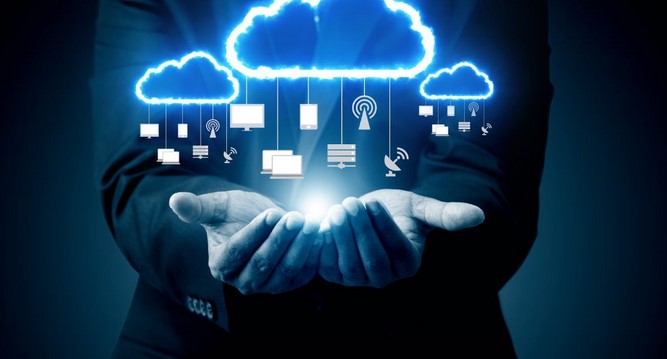
As organizations accelerate digital transformation initiatives, the debate around edge vs cloud computing has become increasingly relevant. Both architectures play critical roles in modern IT infrastructure, yet they serve different operational purposes and performance requirements. Cloud computing offers centralized processing power and scalability through remote data centers, while edge computing processes data closer to its source to reduce latency and bandwidth usage. Understanding the distinctions, strengths, and practical applications of each model is essential for businesses seeking to optimize performance, efficiency, and security in an increasingly connected world.
Understanding the Core Architectural Differences
To effectively evaluate edge and cloud computing, it is important to understand their foundational structures and operational principles.
Cloud computing relies on centralized data centers that host applications, storage, and processing resources. These data centers, often operated by large service providers, enable organizations to access scalable infrastructure via the internet. Businesses benefit from on-demand resources, flexible pricing models, and reduced capital expenditures associated with maintaining physical servers.
In contrast, edge computing decentralizes data processing by bringing computation closer to end devices or local networks. Instead of transmitting all data to a distant cloud server, edge systems process information at or near the source—such as sensors, IoT devices, or local gateways. This localized approach minimizes latency and improves responsiveness.
Latency is one of the most significant differentiators. Cloud systems may introduce delays due to the physical distance between users and centralized servers. For applications requiring real-time processing—such as autonomous vehicles or industrial automation—these delays can be problematic. Edge computing addresses this issue by enabling near-instantaneous data analysis.
Bandwidth consumption is another key factor. Cloud architectures often require large volumes of data to be transmitted continuously, which can strain network resources. Edge computing filters and processes data locally, sending only essential insights to the cloud. This reduces network congestion and operational costs.
Security considerations also vary. Centralized cloud environments benefit from robust security frameworks and advanced monitoring tools. However, transmitting sensitive data over networks may introduce vulnerabilities. Edge computing limits exposure by processing sensitive information locally, although distributed endpoints may require additional security measures.
Performance, Scalability, and Cost Considerations
When evaluating deployment strategies, organizations must assess performance demands, scalability requirements, and total cost of ownership.
Balancing Speed and Centralized Power
Cloud computing excels in scalability. Organizations can rapidly increase storage capacity or computing power without investing in physical hardware. This elasticity supports applications with fluctuating workloads, such as e-commerce platforms experiencing seasonal demand spikes.
Edge computing, while less centralized, provides superior speed for latency-sensitive applications. For example, manufacturing facilities use edge devices to monitor machinery performance in real time. Immediate data analysis enables predictive maintenance, reducing downtime and improving operational efficiency.
Cost structures differ between the two models. Cloud solutions typically operate on subscription-based pricing, allowing businesses to pay for resources as needed. This model reduces upfront investment but may accumulate higher costs over time with extensive data usage.
Edge computing may require initial investment in hardware and infrastructure deployment at multiple locations. However, by reducing bandwidth consumption and cloud storage expenses, it can generate long-term savings for data-intensive operations.
Reliability and resilience are additional considerations. Cloud providers offer high availability through redundant data centers and disaster recovery mechanisms. Edge computing enhances resilience by enabling localized operations even if connectivity to the central cloud is temporarily disrupted. This redundancy is particularly valuable in remote or mission-critical environments.
Ultimately, many organizations adopt hybrid models that combine both approaches. By leveraging cloud scalability and edge responsiveness, businesses can achieve balanced performance and cost efficiency.
Practical Use Cases Across Industries
Different industries leverage edge and cloud computing based on operational needs and technological demands.
In healthcare, cloud computing supports centralized patient records, telemedicine platforms, and large-scale data analytics for research. Meanwhile, edge devices monitor patient vitals in real time, enabling immediate alerts without relying solely on remote servers.
In retail, cloud platforms manage inventory systems, customer relationship management tools, and online transactions. Edge devices, such as in-store sensors and smart checkout systems, process customer interactions locally to enhance shopping experiences and reduce transaction latency.
The manufacturing sector heavily utilizes edge computing for industrial IoT applications. Sensors embedded in machinery generate vast amounts of operational data. Localized processing ensures rapid response to anomalies, preventing equipment failure. At the same time, cloud systems aggregate long-term data for strategic analysis and optimization.
Autonomous vehicles represent a compelling example of edge computing necessity. Vehicles must process sensor data instantly to make driving decisions. While the cloud can analyze aggregated fleet data for long-term improvements, real-time decision-making occurs at the edge.
Smart cities also demonstrate the synergy between the two models. Traffic management systems rely on edge devices to control signals dynamically, while centralized cloud platforms analyze traffic patterns to inform urban planning strategies.
Financial services provide another illustrative case. Cloud platforms enable scalable transaction processing and fraud detection analytics. Edge computing can support localized ATM security and branch-level data processing for enhanced privacy and reliability.
These diverse applications highlight that the choice between edge and cloud is rarely absolute. Instead, it depends on performance requirements, regulatory considerations, and operational goals.
Strategic Considerations for Future Deployment
As digital ecosystems expand, emerging technologies such as 5G connectivity and artificial intelligence are reshaping deployment strategies. High-speed networks reduce latency, enabling smoother integration between edge devices and centralized cloud systems.
Artificial intelligence models often require extensive computational resources for training, which are best suited for cloud environments. However, deploying trained AI models at the edge enables real-time inference and decision-making. This combination maximizes efficiency and responsiveness.
Organizations must also consider data governance and compliance requirements. Certain regulations mandate local data processing or storage, making edge computing advantageous for maintaining compliance.
Scalability planning should align with long-term business objectives. Companies anticipating global expansion may prioritize cloud infrastructure for centralized management, while those operating in remote or latency-sensitive environments may emphasize edge deployment.
Security architecture must evolve alongside infrastructure choices. Distributed edge networks require endpoint protection, encryption protocols, and regular updates to mitigate vulnerabilities.
Investing in a well-defined hybrid strategy often provides the most flexibility. By integrating edge and cloud capabilities within a unified framework, organizations can adapt to evolving technological demands and market conditions.
The ongoing discussion surrounding edge vs cloud computing reflects the growing complexity of modern IT environments. While cloud computing offers scalability, centralized management, and robust analytics capabilities, edge computing delivers low latency, localized processing, and enhanced responsiveness. Rather than viewing them as competing models, organizations should consider how each architecture supports specific operational needs. By strategically combining the strengths of both approaches, businesses can achieve optimal performance, cost efficiency, and resilience. In the evolving landscape of digital innovation, understanding the practical implications of edge vs cloud computing is essential for building future-ready infrastructure solutions.
