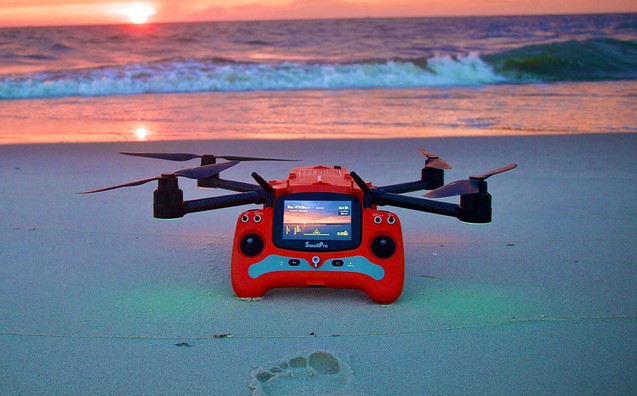
Imagine hiking three hours through a dense rainforest, standing at the edge of a roaring waterfall, and pulling out a $1,000 drone to capture that breathtaking aerial shot. You launch the aircraft, line up the perfect frame, and suddenly a sudden mountain downpour hits—or worse, a rogue gust of wind clips a stray branch, sending your precious rig splashing straight into the river below.
As someone who has spent over a decade testing, flying, and tearing down outdoor gear, I have witnessed that stomach-churning panic firsthand. Early in my tech journey, I watched a colleague lose a top-tier camera drone during a coastal kayaking expedition when a mild sea spray fried its exposed flight controller board in under three seconds.
For years, standard consumer quadcopters treated water like kryptonite. But thanks to major strides in marine engineering and ruggedized tech, waterproof drones have evolved into resilient, all-weather powerhouses capable of flying through torrential rain, landing on open ocean waves, and even filming underwater.
Here is a comprehensive deep dive into how these water-resistant aircraft work, what specifications to look for, and how to pick the ideal drone for your next wilderness expedition.
How Waterproof Drones Survive the Elements
To understand how a water-resistant quadcopter survives conditions that would destroy a normal gadget, think of a standard drone like a basic convertible sports car. If it rains while you are driving, water gets inside the cabin, ruining the seats, dash electronics, and digital displays.
A true waterproof drone, on the other hand, is built like a submarine. Every vulnerable electronic component is completely isolated from the outside environment:
-
Hermetically Sealed Airframes: Reinforced ABS plastic or high-density polycarbonate hulls keep moisture, dust, and salt out.
-
Conformal Coating: Internal printed circuit boards (PCBs) are sprayed with ultra-thin protective silicone or fluoropolymer resin layers that repel liquid even if damp air enters the chassis.
-
Hydrophobic Vents and Gaskets: Micro-porous membranes allow internal heat to escape while preventing water molecules from creeping into the battery bay or sensor housings.
┌───────────────────────────────────────────────────────────┐
│               WATERPROOF DRONE ARCHITECTURE               │
├──────────────────────────┬────────────────────────────────┤
│ Outer Hull               │ Hermetically Sealed Polymer    │
│ Internal Electronics     │ Conformal Coated Circuitry     │
│ Ingress Protection Rating│ IP67 to IP68 Waterproofing    │
│ Propulsion Motors        │ Corrosion-Resistant Brushless  │
└──────────────────────────┴────────────────────────────────┘
Because of this specialized engineering, modern waterproof drones can handle rain, snow, heavy mist, and full aquatic submersion without short-circuiting their avionics.
Key Ingress Protection (IP) Ratings Explained
When shopping for ruggedized aerial hardware, ignore vague marketing labels like “water-resistant” or “weatherproof.” Instead, look for official Ingress Protection (IP) ratings:
1. IP66: Torrential Rain and High-Pressure Jets
An IP66 rating means the drone is completely dust-tight and protected against powerful water jets from any direction. You can fly through heavy storms or sea mist without risking short circuits, but you should not intentionally submerge the aircraft underwater.
2. IP67: Full Submersion and Floated Landings
An IP67-rated drone can survive complete immersion in water up to 1 meter (approx. 3.3 feet) deep for up to 30 minutes. These drones can safely land on lakes, oceans, or swimming pools and lift off directly from the water’s surface.
3. IP68: Deep Water and Marine Operations
Drones engineered with IP68 ratings are built for extreme marine environments, research expeditions, and water rescue ops. They can withstand extended submersion at deeper levels and often feature specialized underwater camera lenses and payload release modules for fishing or emergency float drops.
Feature Comparison: Standard vs. Waterproof Drones
| Specification Feature | Standard Consumer Drone | Waterproof Drone |
| Rain & Snow Flight | Strictly Avoid (Voids Warranty) | Fully Operational (IP66–IP68 Rated) |
| Water Landing Capability | Sinks instantly / Short-circuits | Floats natively / Performs water takeoffs |
| Internal PCB Protection | Uncoated exposed circuitry | Conformal hydrophobic coating |
| Motor Design | Standard copper windings | Corrosion-treated brushless motors |
| Primary Use Cases | Fair-weather photography & videography | Kayaking, surfing, extreme weather, marine research |
Matching Waterproof Drones to Your Adventure Style
Selecting the right rig depends heavily on where and how you plan to travel:
-
Kayakers and Boat Operators: Look for compact models equipped with Return-to-Boat (Dynamic Home Point) features using GPS, preventing the drone from returning to a land point miles behind your moving boat.
-
Extreme Weather Hikers: Focus on wind resistance (Level 6+) and built-in frame heaters to keep lithium batteries warm during sub-zero snow flights.
-
Anglers and Marine Explorers: Choose models featuring high-payload release mechanisms that allow you to drop fishing lines or safety gear across long distances over open water.
Expert Advice: Pro-Tips & Hidden Caveats
Before heading out into the wild with your new rugged drone, keep these critical operational insights in mind:
💡 Pro Tip: Rinse with Fresh Water After Saltwater Flights
Saltwater is insanely corrosive. Even if your drone boasts an IP68 marine rating, sea salt dries into fine crystals that can lock up motor bearings and degrade rubber seals. Always wash down your drone’s motors and exterior hull with clean fresh water and let it dry completely before packing it away in a sealed case.
⚠️ Hidden Caveat: Camera Lens Fogging & Refraction
Cold water immersion combined with warm internal flight components creates a rapid temperature contrast. If your camera housing lacks anti-fogging desiccant inserts, condensation will form on the inside of the lens port, rendering your flight footage blurry. Furthermore, filming through water creates refractive distortion; ensure your camera gimbal uses a flat, optical-grade acrylic dome for crisp aquatic video.
The Ultimate Gear for Boundless Exploration
The freedom to fly through unpredictable mountain weather or take off directly from ocean waves changes how you document the outdoors.
By investing in reliable waterproof drones, outdoor enthusiasts, content creators, and adventure athletes no longer need to check weather forecasts with anxiety or put their cameras away when the rain starts falling.
Join the Conversation
Have you ever lost a drone or camera to unexpected water damage during a trip, or are you looking to buy your first all-weather quadcopter? Share your thoughts, experiences, or questions in the comments below! Let’s discuss the best setup for your next outdoor expedition.

Comments are closed.